
Microcement flooring has gained significant popularity in modern interior design for its sleek, seamless appearance and versatile applications. It is a cement-based coating applied over existing floors or new surfaces to create a smooth, continuous finish. Unlike traditional flooring materials, microcement allows designers and homeowners to achieve a contemporary aesthetic without the constraints of tiles or wood planks. Its ability to be customized in various colors, textures, and finishes makes it an ideal choice for both residential and commercial spaces.
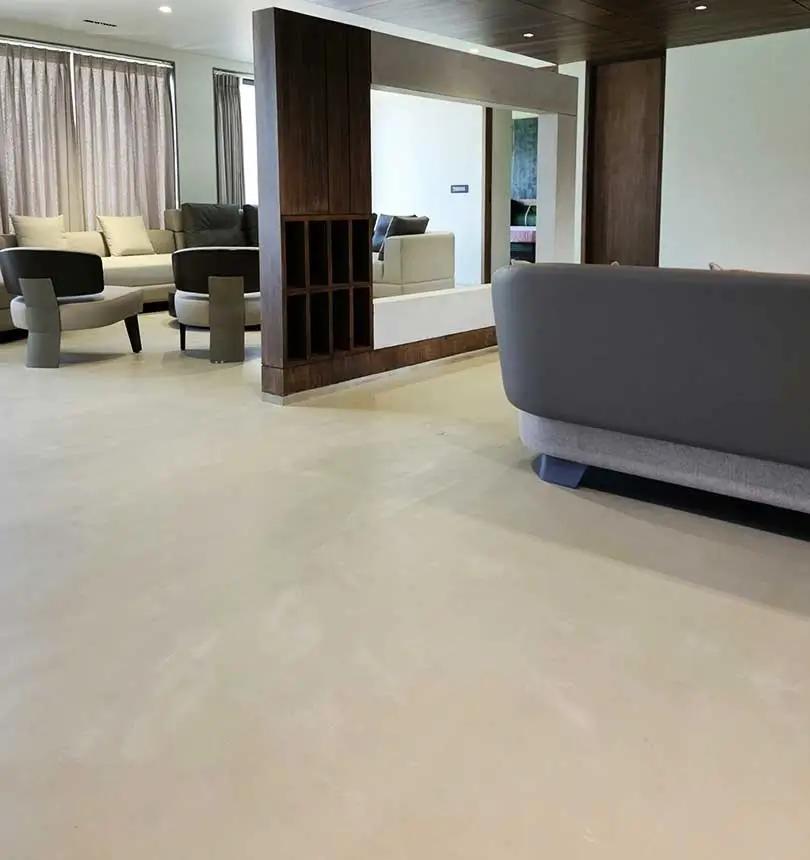
One of the main reasons for the rising interest in microcement flooring is its adaptability. It can be applied over concrete, tiles, wood, or even metal surfaces, minimizing the need for demolition or major renovations. This not only reduces labor and material costs but also allows for a faster installation process. Moreover, microcement is highly durable, resistant to wear, and easy to maintain, making it practical for high-traffic areas.
In addition to its functional advantages, microcement offers significant design flexibility. Its seamless finish can visually expand small spaces, and its wide range of colors and finishes allows for both subtle, minimalist styles and bold, statement-making designs. This versatility positions microcement as a top choice for architects, interior designers, and homeowners looking to combine aesthetics with practicality.
Understanding the Composition and Characteristics of Microcement Flooring
Microcement is composed of a blend of cement, fine aggregates, polymers, and pigments. The polymer component enhances flexibility and adhesion, which allows the coating to withstand minor movements in the underlying substrate without cracking. Fine aggregates ensure a smooth, almost plaster-like finish that can be polished, textured, or matte depending on the desired effect.
Key characteristics of microcement flooring include:
- Seamlessness: Microcement creates a continuous surface without joints, grout lines, or visible seams.
- Versatility: It can be applied to floors, walls, countertops, and even staircases.
- Durability: Resistant to abrasion, impact, and general wear and tear.
- Customizable Finish: Available in polished, matte, textured, or metallic finishes.
- Low Maintenance: Requires only routine cleaning with neutral detergents.
Its lightweight nature also makes it suitable for renovation projects where structural load is a concern, such as over raised platforms or existing tiles.
Key Steps Involved in Preparing the Surface for Microcement Application
Surface preparation is critical for a successful microcement installation. The quality and longevity of the floor depend on a properly prepared substrate. The steps typically include:
- Cleaning the Surface: Remove all dust, grease, and debris to ensure proper adhesion.
- Repairing Imperfections: Fill cracks, holes, and uneven areas using appropriate fillers.
- Priming the Surface: Apply a primer that improves bonding between the substrate and the microcement layers.
- Reinforcing Movement Joints: Ensure existing structural joints are considered to prevent future cracking.
Proper preparation ensures that the microcement adheres evenly and maintains its durability over time. Inadequate surface preparation can lead to peeling, cracks, or uneven textures.
Techniques for Applying Microcement to Ensure Durability and Smooth Finish
Applying microcement requires precision and skill to achieve a smooth, durable finish. The typical process involves multiple thin layers:
- Base Coat: A first layer of microcement is applied to even out the surface.
- Intermediate Layer: This layer adds strength and thickness while allowing minor imperfections to be corrected.
- Finishing Layer: The final layer is carefully leveled and smoothed, often polished for a glossy finish or textured for a matte effect.
- Sealing: A protective sealant is applied to enhance resistance to moisture, stains, and abrasion.
Each layer must dry properly before applying the next. Skilled installers often use trowels and spatulas to ensure an even distribution and smooth surface. Attention to detail during each stage is key to creating a long-lasting, aesthetically pleasing floor.
Maintenance Tips to Keep Microcement Flooring in Optimal Condition
Maintaining microcement flooring is straightforward, but it requires consistent care to preserve its appearance and longevity. Tips include:
- Regularly sweep or vacuum to remove dust and debris.
- Clean spills immediately to prevent staining.
- Use neutral detergents for routine cleaning; avoid harsh chemicals.
- Periodically reapply sealant to maintain moisture and scratch resistance.
- Use protective pads under furniture to prevent scratches or dents.
Following these maintenance practices ensures the floor retains its smooth finish, color intensity, and durability over years of use.
Comparing Microcement Flooring with Traditional Flooring Options
Microcement flooring offers several advantages over traditional options such as tiles, wood, or vinyl. Unlike tiles, it is seamless and grout-free, reducing maintenance and potential mold growth in joints. Compared to wood, microcement is more resistant to moisture, making it suitable for bathrooms or kitchens. While vinyl offers affordability and easy installation, microcement provides a premium, long-lasting finish with greater design flexibility.
Some key comparisons include:
- Aesthetic Variety: Microcement allows more customization than tiles or standard wood.
- Durability: Superior resistance to abrasion compared to vinyl or laminate.
- Flexibility: Can be applied to walls, furniture, and stairs, unlike traditional flooring.
- Longevity: With proper care, microcement can last decades without major repairs.
This versatility and durability make microcement a practical alternative for modern construction and renovation projects.
Common Mistakes to Avoid During Installation of Microcement
Even small errors during microcement installation can compromise the final result. Common mistakes include:
- Skipping proper surface preparation, leading to poor adhesion.
- Applying layers too thickly, which can cause cracking.
- Uneven troweling, resulting in visible marks or bumps.
- Inadequate drying time between layers, causing weak bonds.
- Using the wrong sealant, which can reduce durability and stain resistance.
Awareness of these pitfalls ensures a professional-looking finish that stands the test of time.
How Microcement Enhances Aesthetic Appeal in Modern Interiors
Microcement’s appeal lies not only in functionality but also in aesthetics. Its seamless surfaces create a clean, minimalist look that complements contemporary design. Some ways microcement enhances interiors include:
- Visual Continuity: Continuous surfaces create an open, expansive feel.
- Custom Color Options: Offers neutral tones or bold colors to match any interior scheme.
- Texture Flexibility: Can mimic natural stone, polished concrete, or matte finishes.
- Integration with Other Materials: Easily combined with wood, metal, or glass accents for modern design.
Interior designers often use microcement to create focal points, feature walls, or statement floors, highlighting its versatility beyond conventional flooring.
Environmental and Cost Benefits of Using Microcement in Homes
Microcement is also an environmentally conscious choice due to its minimal material usage and long lifespan. Because it can be applied over existing floors, renovation waste is significantly reduced. Additionally, its durability reduces the frequency of replacements, lowering environmental impact over time.
Cost-wise, while the initial installation may be higher than basic vinyl or laminate, the reduced maintenance, long lifespan, and design flexibility make microcement a cost-effective solution in the long run. Homeowners also save money by avoiding extensive demolition or structural modifications during renovations.
FAQs
- What materials are needed for microcement flooring installation?
The main materials include microcement powder, polymer additives, primers, sealants, trowels, and sanding tools. Proper preparation materials like fillers and primers are essential for optimal adhesion and durability. - How long does microcement flooring last?
With proper installation and maintenance, microcement flooring can last 15–20 years or more. Its durability makes it suitable for both residential and commercial applications. - Can microcement be used in wet areas like bathrooms?
Yes, microcement is suitable for wet areas when properly sealed. Its seamless finish reduces water infiltration and provides a smooth, non-porous surface ideal for bathrooms and kitchens. - Is microcement suitable for both residential and commercial spaces?
Absolutely. Its durability, aesthetic versatility, and ability to withstand heavy foot traffic make it ideal for homes, offices, retail spaces, and hospitality environments. - How does microcement compare to terrazzo or WPC flooring?
Unlike terrazzo, which has a speckled appearance, microcement offers a smooth, seamless finish. Compared to wpc flooring, microcement is more versatile in design and can be applied to various surfaces, whereas WPC is limited to planks. For those seeking modern options, vinyl flooring in dubai offers easy installation but lacks the high-end finish and durability of microcement. Its unique blend of durability and aesthetics positions microcement flooring as a premium, long-lasting solution.
Microcement flooring represents a fusion of contemporary design and practical functionality. Its seamless finish, customizable appearance, and durability make it a standout choice for modern homes and commercial spaces. By understanding its composition, preparation, and maintenance, homeowners and designers can create stunning, long-lasting surfaces that enhance both aesthetics and practicality. With proper care and installation, microcement flooring can transform ordinary spaces into elegant, functional environments.