
Microcement has rapidly gained popularity in Dubai for both residential and commercial applications due to its sleek appearance, versatility, and durability. As an innovative flooring and wall solution, it offers a seamless finish that transforms interiors into modern, elegant spaces. Unlike traditional flooring options, microcement provides a continuous, joint-free surface that is easy to clean, highly customizable, and compatible with various substrates. Whether in homes, offices, or public spaces, microcement has become a practical yet stylish solution for designers, architects, and homeowners alike.
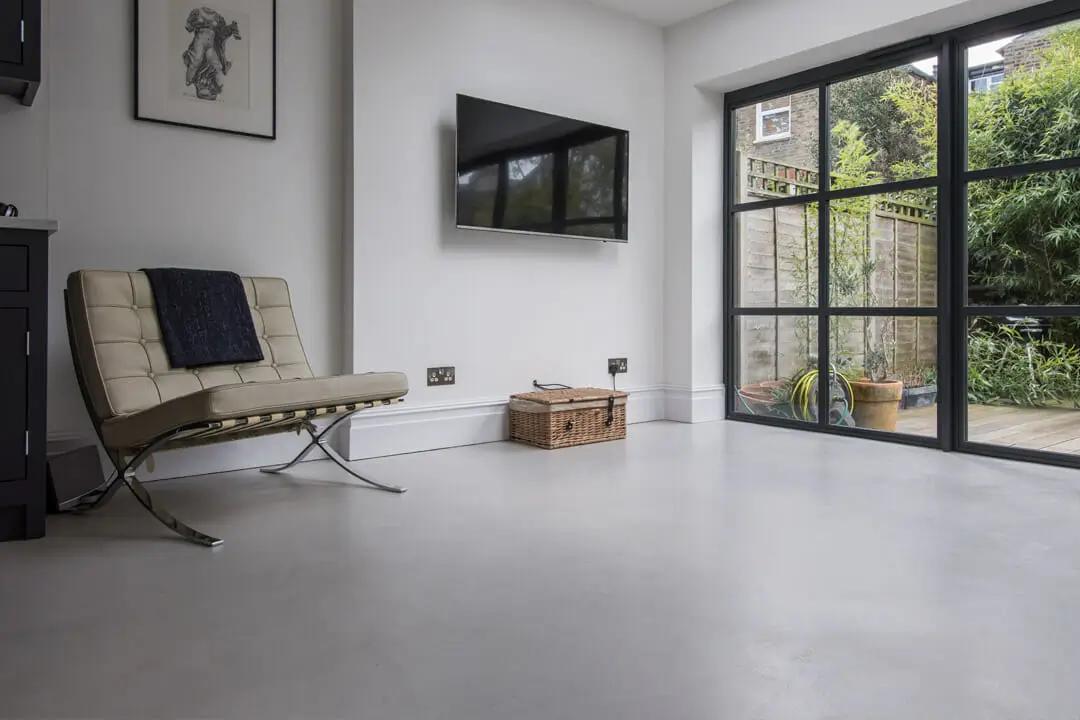
This article explores the many aspects of microcement, from installation processes to maintenance, and demonstrates how it can be integrated with other flooring solutions like vinyl flooring sharjah or epoxy terrazzo floors. By understanding its applications, advantages, and best practices, readers will gain valuable insights into how microcement can elevate interior spaces while providing long-term performance.
Introduction to Microcement Dubai and Its Applications
Microcement is a highly versatile coating composed of cement, polymers, and fine aggregates, allowing it to adhere to almost any surface, including concrete, tiles, wood, and drywall. Its thin application—usually between 2 and 3 millimeters—makes it suitable for renovations without significantly altering floor levels. This material is widely used in homes for flooring, walls, kitchens, bathrooms, and even furniture surfaces due to its smooth, seamless finish.
In Dubai, microcement has become particularly popular in modern homes and offices, where minimalism and contemporary aesthetics are highly valued. Its ability to replicate materials like concrete or stone without the weight and complexity of traditional methods makes it a preferred choice for both interior designers and property developers.
Step-by-Step Guide for Preparing Surfaces Before Applying Microcement
Successful microcement application starts with proper surface preparation. The following steps ensure adhesion, durability, and a flawless finish:
- Surface Cleaning: Remove dirt, grease, and loose particles to ensure a clean base.
- Repairing Imperfections: Fill cracks, holes, and uneven areas with a suitable filler or leveling compound.
- Priming: Apply a primer specifically designed for microcement to improve adhesion and prevent moisture issues.
- Sanding: Lightly sand the primer to create a smooth, even surface for the microcement layers.
- Dust Removal: Ensure the surface is free of dust or debris before applying the first coat.
These preparatory steps are crucial, as they lay the foundation for a durable and aesthetically pleasing microcement surface.
Differences Between Microcement and Traditional Flooring Options
Microcement stands out from traditional flooring solutions due to its unique characteristics:
- Seamless Finish: Unlike tiles or wood, microcement creates a joint-free surface that is visually continuous.
- Thin Application: Its minimal thickness allows installation over existing surfaces, reducing demolition and renovation time.
- Versatility: Microcement can be applied to walls, floors, furniture, and even countertops, offering creative freedom.
- Customization: A wide range of colors, textures, and finishes allows tailored design solutions.
- Durability: With proper installation, microcement is resistant to cracking, moisture, and wear, outperforming some conventional flooring options in longevity.
While traditional floors like tiles or hardwood may require grout lines, significant structural support, or extensive maintenance, microcement offers a low-profile, easy-to-maintain alternative with modern appeal.
Best Practices for Maintaining and Cleaning Microcement Surfaces
Maintaining microcement is relatively simple due to its non-porous finish. Proper care ensures the surface retains its visual appeal and durability over time:
- Routine Cleaning: Sweep or vacuum regularly to remove dust and debris.
- Mopping: Use a damp mop with a pH-neutral cleaner to maintain the surface.
- Avoid Abrasives: Do not use harsh chemicals or abrasive cleaning tools, as they can damage the finish.
- Protective Measures: Place felt pads under furniture and avoid dragging heavy objects to prevent scratches.
- Sealing: Apply a protective sealant periodically to enhance water resistance and stain protection.
These practices help preserve the smooth, seamless appearance of microcement while extending its lifespan.
Combining Vinyl Flooring Sharjah with Microcement for Modern Interiors
In many Dubai interiors, designers combine microcement with other flooring materials like vinyl to create functional, visually appealing spaces. For example:
- Layered Effect: Vinyl can be installed in areas prone to heavy moisture or high traffic, while microcement is used in main living spaces for elegance.
- Contrast Textures: The sleek, continuous surface of microcement contrasts with the subtle patterns of vinyl, enhancing visual interest.
- Zoning Spaces: Combining microcement and vinyl allows designers to define different areas, such as workspaces, kitchen zones, or lounge sections.
This integration demonstrates the flexibility of microcement in modern interior design and its ability to complement other flooring options.
Advantages of Epoxy Gym Flooring in High-Use Areas
While microcement is durable, certain high-traffic or heavy-use areas may benefit from additional flooring solutions like epoxy gym flooring. Epoxy coatings provide:
- Shock Absorption: Ideal for gyms or areas with heavy exercise equipment.
- Slip Resistance: Ensures safety during workouts or commercial use.
- Durability: Resistant to chemicals, moisture, and repeated wear.
- Low Maintenance: Easy to clean and maintain even under intense use.
Integrating epoxy flooring with microcement can optimize functionality in multipurpose interiors, particularly where both aesthetics and durability are critical.
Innovative Design Ideas Using Epoxy Terrazzo Floors with Microcement
Microcement can be paired with epoxy terrazzo floors to create unique, modern designs that combine texture and color:
- Accent Features: Use terrazzo strips or borders alongside microcement floors to define areas or add visual appeal.
- Custom Patterns: Create geometric or abstract patterns by combining terrazzo chips with smooth microcement surfaces.
- Functional Separation: Differentiate spaces such as entryways, kitchens, or bathrooms by contrasting terrazzo and microcement finishes.
These combinations demonstrate the versatility of microcement as a base material that works harmoniously with other innovative flooring options.
Common Mistakes to Avoid During Microcement Installation
To ensure the longevity and aesthetic quality of microcement, avoid common installation errors:
- Skipping Surface Preparation: Inadequate cleaning, priming, or leveling can lead to adhesion issues.
- Improper Mixing: Incorrect proportions of cement, polymers, and aggregates may result in cracking or uneven texture.
- Rushed Application: Applying layers too quickly can cause bubbling or inconsistent finish.
- Ignoring Environmental Conditions: Temperature and humidity can affect curing times and overall durability.
- Neglecting Sealing: Failing to seal the surface reduces water resistance and increases susceptibility to stains.
By paying attention to these factors, homeowners and contractors can achieve a flawless, long-lasting microcement finish.
Conclusion
Microcement is a modern, versatile solution for Dubai homes and offices, offering a seamless, durable, and aesthetically flexible surface. Its ability to be applied over various substrates, combined with customization options, makes it suitable for contemporary design trends. Proper installation, maintenance, and thoughtful integration with other flooring solutions like vinyl flooring sharjah, epoxy gym flooring, or epoxy terrazzo floors can elevate interior spaces while ensuring functionality and longevity. As both an elegant and practical option, microcement continues to redefine modern interior design with its combination of style, resilience, and adaptability.
FAQs
- What is microcement and why is it popular in Dubai?
Microcement is a thin, cement-based coating that creates seamless floors and walls. Its popularity in Dubai stems from its sleek aesthetic, versatility, and ability to adhere to almost any surface without extensive renovation. - How long does microcement last on floors and walls?
With proper installation and maintenance, microcement surfaces can last 10–20 years, maintaining durability and appearance even in high-traffic areas. - Can microcement be applied over existing tiles?
Yes, microcement can be applied over tiles, concrete, wood, or drywall, making it ideal for renovations and surface upgrades without demolition. - How do you clean and maintain microcement surfaces?
Routine sweeping or vacuuming, damp mopping with pH-neutral cleaners, and periodic sealing are recommended to maintain the surface’s appearance and protect against damage. - What are the benefits of combining microcement with other flooring types?
Combining microcement with materials like vinyl or epoxy allows for functional zoning, enhanced durability in high-use areas, and visual contrast for modern interior designs. - Are there color and texture options for microcement?
Yes, microcement can be customized with various colors, finishes, and textures, allowing unique designs tailored to interior aesthetics. - How does epoxy gym flooring enhance microcement areas?
Epoxy gym flooring provides additional durability, slip resistance, and shock absorption, making it ideal for high-traffic zones or fitness areas integrated with microcement surfaces.
8. Can microcement be used in both residential and commercial spaces?
Absolutely. Microcement is suitable for homes, offices, hotels, and public spaces due to its durability, seamless appearance, and design flexibility.