
Terrazzo tiles have become a hallmark of sophistication and durability in modern interiors. With their unique patterns and long-lasting composition, these tiles are increasingly popular in both residential and commercial projects across the UAE. Selecting the right terrazzo tiles requires understanding their composition, aesthetic appeal, and maintenance needs. This guide will explore everything you need to know about choosing the best terrazzo tiles for your space.
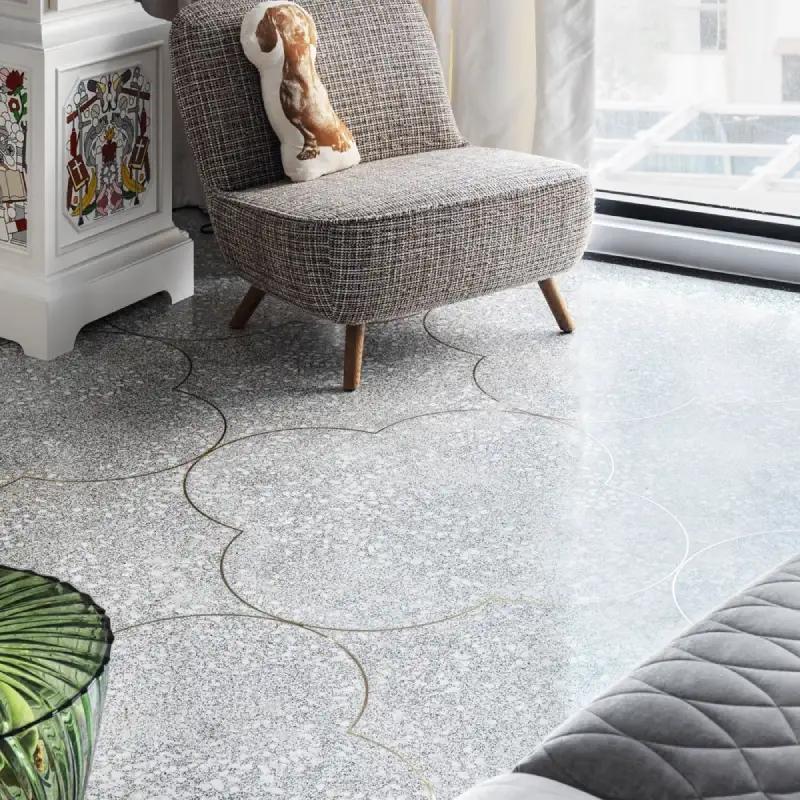
Choosing terrazzo tiles is not merely about style; it involves considering functionality, traffic, and environmental impact. Homeowners and designers alike seek flooring that not only elevates the aesthetic of a space but also withstands daily wear and tear. This comprehensive overview will help you make an informed decision about your flooring investment.
From installation to cleaning, terrazzo tiles offer a unique combination of elegance and resilience. Whether renovating a home or designing a corporate space, understanding the nuances of terrazzo can ensure a practical and visually appealing result.
Understanding the Composition and Types of Terrazzo Tiles
Terrazzo tiles are composed of chips of marble, quartz, granite, or glass set into a cement or resin binder. This mixture is polished to create a smooth, durable surface that can vary from subtle patterns to bold, colorful designs.
There are several types of terrazzo tiles available:
- Cement-Based Terrazzo: Classic terrazzo made using cement as the binder. It is highly durable and suitable for high-traffic areas.
- Epoxy-Based Terrazzo: Uses epoxy resin as the binder, which allows for more vibrant colors and intricate designs. It is ideal for residential and commercial interiors where aesthetic appeal is a priority.
- Precast Terrazzo Tiles: Factory-made tiles that ensure consistency in size, color, and finish. These are perfect for DIY projects or areas requiring uniformity.
When choosing terrazzo, consider the binder type and the aggregate material, as these directly affect durability, design possibilities, and maintenance requirements.
Benefits of Using Terrazzo Tiles in Residential and Commercial Spaces
Terrazzo tiles offer a range of benefits that make them a practical choice for multiple settings:
- Durability: Terrazzo is resistant to scratches, stains, and heavy foot traffic, making it ideal for both homes and commercial spaces.
- Versatility in Design: Available in a variety of colors, patterns, and finishes, terrazzo can complement modern, minimalist, and traditional designs.
- Eco-Friendly Option: Many terrazzo tiles incorporate recycled materials like glass or marble chips, reducing environmental impact.
- Low Maintenance: Polished terrazzo surfaces are easy to clean and maintain, requiring only periodic sealing to preserve their shine.
- Longevity: Properly installed terrazzo flooring can last decades without losing its aesthetic or structural integrity.
These advantages make terrazzo tiles a preferred choice for architects and interior designers seeking a blend of beauty and functionality.
Comparing Terrazzo Tiles with Other Flooring Options for Durability
When evaluating flooring options, durability is a key consideration. Terrazzo tiles compare favorably with other materials in several ways:
- Ceramic Tiles: While ceramic tiles are widely available and affordable, they are more prone to chipping and cracking under heavy loads. Terrazzo tiles offer superior impact resistance.
- Marble Flooring: Natural marble is beautiful but can be high-maintenance and prone to staining. Terrazzo provides a similar aesthetic with greater resilience.
- Vinyl Flooring: Vinyl is cost-effective and easy to install but lacks the long-term durability and premium appearance of terrazzo. Investing in lvp flooring can offer temporary benefits, but terrazzo provides enduring value.
- Concrete Polishing: While polished concrete shares durability traits with terrazzo, it lacks the customizable design and intricate patterns terrazzo offers.
By comparing these options, terrazzo emerges as a versatile, durable, and visually appealing flooring choice that balances beauty and functionality.
How to Maintain and Clean Terrazzo Tiles for Longevity
Maintaining terrazzo tiles is straightforward if done correctly. Proper care ensures the tiles remain polished and vibrant for years.
Daily Maintenance:
- Sweep or vacuum regularly to remove dust and grit.
- Wipe spills immediately to prevent staining.
Periodic Cleaning:
- Mop using a neutral pH cleaner to avoid etching the surface.
- Avoid harsh chemicals or acidic cleaners, as these can damage the terrazzo’s finish.
Sealing:
- Cement-based terrazzo requires sealing every one to two years to protect against stains and moisture.
- Epoxy-based terrazzo is less porous and may require less frequent sealing.
For corners and edges, consider using pvc skirting board near me to protect the tiles and maintain a clean appearance.
By following these maintenance steps, terrazzo tiles can retain their beauty and structural integrity for decades.
Environmental Advantages of Choosing Terrazzo Over Conventional Flooring
Terrazzo is increasingly recognized for its environmental benefits:
- Use of Recycled Materials: Terrazzo often incorporates recycled glass, marble chips, and other aggregates, reducing the need for new raw materials.
- Durable Lifespan: Long-lasting flooring reduces waste and the frequency of replacements.
- Low VOC Emissions: Epoxy and cement-based terrazzo have minimal volatile organic compound emissions, improving indoor air quality.
- Sustainability Certifications: Many terrazzo manufacturers adhere to green building standards, contributing to environmentally responsible construction.
Choosing terrazzo not only enhances interior aesthetics but also aligns with sustainable building practices.
Factors to Consider Before Terrazzo Floor Installation
Installing terrazzo flooring involves careful planning and consideration:
- Subfloor Preparation: Terrazzo requires a stable and level subfloor to prevent cracking.
- Binder Selection: Decide between cement or epoxy-based terrazzo depending on design and performance needs.
- Aggregate Choice: The size, color, and type of aggregate affect both aesthetics and maintenance.
- Pattern and Layout: Work with a designer to determine the pattern, border, and color combinations.
- Professional Installation: Proper installation ensures longevity. Engaging experts in terrazzo floor installation is highly recommended.
By addressing these factors, you can achieve a flawless terrazzo floor that is both functional and visually appealing.
Popular Terrazzo Designs and Patterns in the UAE Market
Terrazzo designs have evolved to meet contemporary tastes while retaining their classic charm. Some popular patterns include:
- Random Aggregate: A scattered mix of chips for a natural, textured look.
- Geometric Patterns: Modern layouts with precise shapes and color contrasts.
- Classic Speckled: Small, evenly distributed chips for a timeless appearance.
- Bordered Designs: Decorative borders that define spaces or pathways.
Interior designers in the UAE often blend traditional and modern elements, creating bespoke terrazzo floors that complement both residential and commercial projects. Incorporating terrazzo tiles uae ensures you select high-quality materials suited to local climate and design preferences.
Conclusion
Terrazzo tiles offer a rare combination of beauty, durability, and sustainability. Understanding the types, benefits, and maintenance requirements is essential to making an informed choice. From cement-based to epoxy terrazzo, the variety available in the UAE allows for extensive customization, ensuring each space reflects both style and function. Proper installation and maintenance can preserve these floors for decades, making them a wise investment for homes and commercial spaces alike.
By carefully considering composition, design, environmental impact, and professional installation, you can enjoy terrazzo floors that enhance aesthetics while providing long-term value. With their timeless appeal and practical benefits, terrazzo tiles remain a premier flooring choice in the UAE.
FAQs
What are terrazzo tiles and how are they made?
Terrazzo tiles are composed of marble, quartz, granite, or glass chips embedded in a cement or resin binder. The mixture is poured, cured, and polished to create a smooth, durable surface suitable for residential and commercial spaces.
How durable are terrazzo tiles compared to other flooring types?
Terrazzo tiles are extremely durable, resistant to scratches, stains, and heavy foot traffic. They generally last longer than ceramic, marble, or vinyl flooring, making them ideal for both high-traffic commercial areas and busy homes.
What maintenance is required for terrazzo tiles?
Daily sweeping or vacuuming and occasional mopping with neutral cleaners are sufficient. Cement-based terrazzo may require sealing every one to two years to protect against moisture and stains, while epoxy terrazzo is more resistant to damage.
Can terrazzo tiles be installed in high-traffic areas?
Yes, terrazzo is highly suitable for high-traffic areas such as office lobbies, shopping centers, and hallways. Its durability and resistance to wear make it an excellent choice for commercial applications.
What are the environmental benefits of terrazzo flooring?
Terrazzo often incorporates recycled materials, reducing resource consumption. Its longevity reduces waste from frequent replacements, and low VOC emissions help maintain healthy indoor air quality. Choosing terrazzo supports sustainable building practices.
Are terrazzo tiles easy to customize?
Yes, terrazzo allows for a wide range of colors, patterns, and aggregate sizes. Epoxy-based terrazzo, in particular, enables intricate designs and vibrant color combinations, offering nearly limitless customization options.
How does terrazzo compare to marble flooring?
While both provide a luxurious aesthetic, terrazzo is more durable, less prone to staining, and requires less maintenance than natural marble. Terrazzo also offers greater flexibility in colors and patterns, making it suitable for modern design trends.
Is professional installation necessary for terrazzo tiles?
Professional installation is highly recommended. Proper subfloor preparation, correct binder selection, and skilled finishing ensure durability and a polished appearance. Expert installation reduces the risk of cracks and uneven surfaces.
Can terrazzo tiles be used outdoors?
Yes, but cement-based terrazzo is generally preferred for outdoor use due to its ability to withstand UV exposure and temperature variations. Epoxy terrazzo may degrade when exposed to direct sunlight for prolonged periods.
What makes terrazzo a long-term investment in flooring?
Its durability, low maintenance, design versatility, and eco-friendly attributes contribute to its long-term value. A well-installed terrazzo floor can maintain its beauty and functionality for decades, making it a sustainable and cost-effective choice.