
Selecting the right flooring solution is essential for both residential and commercial spaces. Among the many options available, hollow mats have become increasingly popular due to their durability, safety features, and versatile applications. Whether you are looking to protect high-traffic areas, provide comfort, or create a stylish aesthetic, understanding the characteristics and benefits of hollow mats dubai is crucial. In this guide, we will explore everything you need to know about choosing the best hollow mats in Dubai and related flooring options to make an informed decision.
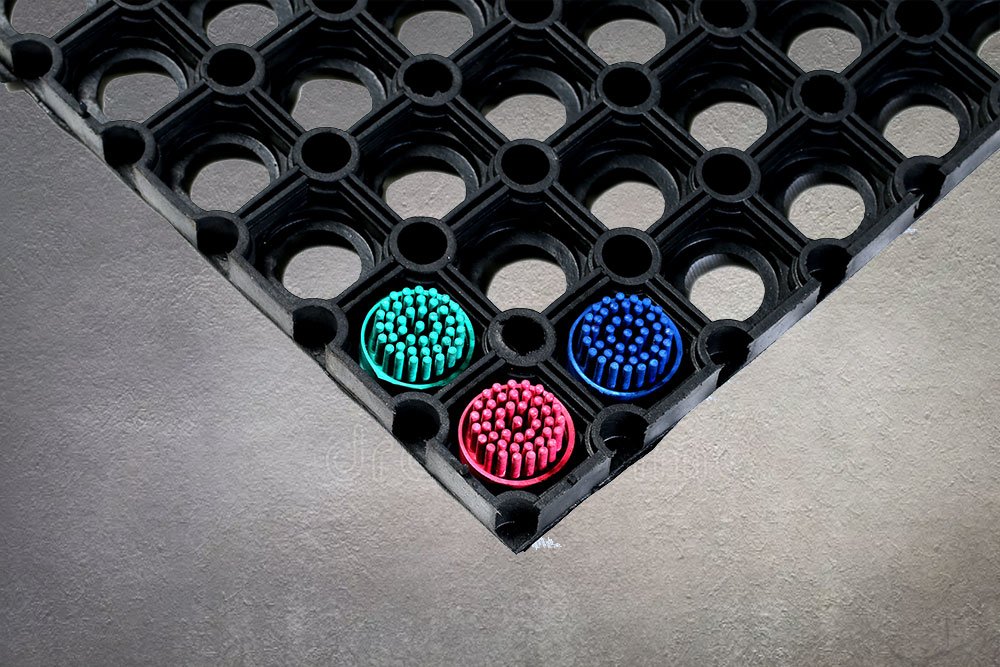
Hollow mats offer a practical solution for various environments, from industrial settings to homes and gyms. Unlike traditional solid mats, hollow mats are designed with spaces that reduce weight while maintaining strength and resilience. This makes them easier to handle and install, yet highly effective in providing traction and preventing slips. Additionally, their unique structure allows for better drainage, making them suitable for areas exposed to moisture.
Beyond hollow mats, the flooring industry in Dubai has seen innovations such as micro cement surfaces, wooden flooring solutions, and advanced epoxy terrazzo systems. Each of these options serves different purposes, depending on the functional and aesthetic needs of a space. By considering the benefits, installation requirements, and maintenance strategies, you can choose the most appropriate flooring for your environment.
Understanding the Materials Used in Hollow Mats and Their Durability
Hollow mats are typically made from high-quality rubber or thermoplastic compounds designed to withstand heavy use. The choice of material impacts the mat’s durability, flexibility, and resistance to wear and tear. Rubber-based hollow mats are known for their elasticity and ability to absorb impact, which is especially important in areas with frequent foot traffic or where heavy equipment is used. Thermoplastic mats, on the other hand, offer chemical resistance and are often preferred in industrial environments.
Durability is also influenced by the mat’s design. The hollow spaces in these mats allow for better shock absorption and distribution of weight, reducing the strain on the flooring beneath. This design extends the life of the mat while providing comfort for users. For spaces where hygiene is critical, rubber hollow mats can be treated to resist microbial growth, ensuring a safer environment.
Proper selection of materials also considers factors such as temperature fluctuations and exposure to sunlight. Mats designed for outdoor use often include UV stabilizers to prevent cracking and fading. By assessing the environment where the mat will be installed, you can choose a product that maintains its structural integrity over time.
Key Differences Between Hollow Mats and Solid Rubber Mats
Understanding the distinction between hollow mats and solid rubber mats is essential for making the right flooring choice. Solid rubber mats are dense and heavier, offering maximum durability and support. They are typically used in industrial settings where heavy machinery or continuous foot traffic is expected. Hollow mats, however, provide similar strength while being lighter and more flexible.
The hollow design also allows for better drainage and airflow, reducing the risk of water accumulation and mold growth. This feature makes them particularly useful in wet areas such as kitchens, bathrooms, and gyms. Another advantage of hollow mats is the ability to interlock or connect pieces, creating custom layouts for various space sizes. Solid mats, by contrast, usually require cutting and fitting, which can be more labor-intensive.
Aesthetic versatility is another consideration. Hollow mats come in a variety of colors, patterns, and textures, allowing for creative designs and branding opportunities. Solid rubber mats, while durable, typically have a more industrial appearance and limited style options. By comparing these differences, you can determine which mat type aligns with your functional and visual preferences.
Benefits of Using Hollow Mats for Home and Commercial Spaces
Hollow mats offer numerous advantages across different settings. For residential areas, they provide comfort underfoot, reduce fatigue, and protect flooring from scratches and damage. In commercial spaces, they enhance safety by preventing slips and falls, especially in high-traffic areas or spaces prone to moisture.
Other benefits include:
- Noise Reduction: Hollow mats absorb sound, reducing noise levels in busy environments such as gyms or workshops.
- Flexibility: Lightweight design allows for easy relocation or reconfiguration of spaces.
- Eco-Friendliness: Many mats are made from recycled materials, contributing to sustainable flooring solutions.
- Cost Efficiency: Despite initial investment, the durability and low maintenance requirements make them a long-term cost-effective choice.
Hollow mats are also adaptable for various functional purposes, such as anti-fatigue mats for workplaces or cushioned surfaces for children’s play areas. Their versatility makes them suitable for multiple scenarios, enhancing both safety and usability.
How to Maintain and Clean Hollow Mats to Extend Their Lifespan
Proper maintenance is crucial to ensure the longevity and effectiveness of hollow mats. Regular cleaning prevents the buildup of dirt, grime, and moisture that can compromise the mat’s integrity. Simple maintenance steps include:
- Sweeping or vacuuming daily to remove loose debris.
- Washing with mild detergent and water periodically to remove stains or spills.
- Disinfecting with appropriate solutions in areas with hygiene requirements.
- Inspecting mats for wear and tear to address minor damage before it worsens.
Hollow mats with removable sections make cleaning easier, as each piece can be taken out and cleaned individually. In commercial settings, implementing a routine cleaning schedule ensures consistent performance and safety. Avoid using harsh chemicals or abrasive tools, as these can damage the surface and reduce durability.
Additionally, storing mats properly when not in use prevents deformation. Mats should be laid flat or stacked without heavy weights on top to maintain their shape. Following these practices will help maximize the lifespan and maintain the appearance of your flooring.
Choosing Between Various Thicknesses and Patterns of Hollow Mats
The thickness and pattern of hollow mats play a significant role in their functionality. Thicker mats provide more cushioning and are ideal for areas where prolonged standing or heavy impact occurs. Thinner mats are suitable for light traffic areas or where space is limited.
Patterns also affect grip, drainage, and aesthetics. For instance:
- Diamond or textured patterns enhance traction, reducing slip hazards.
- Circular or perforated designs allow for efficient drainage in wet areas.
- Interlocking patterns provide flexibility for creating custom layouts.
When choosing the right mat, consider the environment and purpose. Gyms, industrial workshops, and kitchen spaces each require different combinations of thickness and pattern to optimize performance and safety. Consulting with flooring experts can help determine the best option for specific applications.
Comparing Hollow Mats with Alternative Flooring Options
While hollow mats are highly versatile, they are not the only flooring option available. Comparing them with alternatives such as micro cement flooring, hardwood, or epoxy systems provides insight into their advantages and limitations.
- Micro Cement Flooring: Offers a seamless, modern appearance and is highly durable. However, it is more rigid and may be uncomfortable for prolonged standing.
- Wooden Flooring: Provides a warm aesthetic and natural texture. It requires more maintenance and is prone to scratches and water damage.
- Epoxy Terrazzo Flooring: Extremely durable and resistant to heavy wear, often used in commercial or industrial environments. It is harder and less flexible than hollow mats.
By evaluating these alternatives, it becomes clear that hollow mats offer a unique balance of comfort, safety, and adaptability that makes them suitable for both residential and commercial spaces.
Environmental Considerations and Safety Standards of Hollow Mats
When selecting hollow mats, it is important to consider environmental and safety standards. Many manufacturers now produce mats using recycled rubber, reducing environmental impact. Certifications for anti-slip, fire resistance, and non-toxicity ensure that the mats meet safety requirements for public and private spaces.
Safety features to consider include:
- Slip resistance for wet and dry surfaces
- Shock absorption to minimize injury risk
- Compliance with local regulations regarding fire and chemical safety
In addition to meeting standards, choosing environmentally friendly mats supports sustainable practices, aligning with modern construction and interior design trends. Assessing these factors ensures that your flooring choice is both safe and responsible.
Expert Tips on Selecting Hollow Mats Based on Location and Foot Traffic
Selecting the right hollow mats also requires consideration of location and foot traffic intensity. Areas with high traffic, such as gyms or commercial entrances, benefit from mats with thicker profiles and enhanced grip. Low-traffic areas like home offices or playrooms may prioritize comfort and aesthetics.
Other practical tips include:
- Using interlocking mats in large areas for easy installation and replacement.
- Combining mats with complementary flooring options like wooden flooring companies in dubai solutions for mixed-use spaces.
- Assessing environmental factors, such as moisture levels and exposure to sunlight.
- Considering the mat’s ability to absorb impact in spaces where heavy equipment is used.
By analyzing these factors, you can optimize both safety and comfort while enhancing the overall functionality of your space.
Conclusion
Hollow mats in Dubai provide a versatile, durable, and safe flooring solution for a wide range of applications. From residential homes to industrial workshops, they offer comfort, protection, and adaptability. By understanding the materials, design differences, maintenance requirements, and environmental considerations, you can make an informed decision that enhances both the practicality and aesthetics of your space.
Exploring alternatives such as epoxy terrazzo flooring or micro cement flooring can complement your choice and provide a holistic approach to flooring design. Ultimately, selecting the right hollow mat ensures a safe, durable, and visually appealing environment suitable for various needs.
FAQs
- What are hollow mats and how are they used in Dubai?
Hollow mats are rubber or thermoplastic mats with perforated designs that reduce weight while maintaining durability. They are used in residential, commercial, and industrial settings to enhance safety, provide comfort, and protect flooring. - How durable are hollow mats compared to other flooring?
Hollow mats are highly durable, offering flexibility and resistance to wear and tear. Their perforated design allows shock absorption, which extends their lifespan compared to solid mats or rigid flooring systems. - Can hollow mats be installed outdoors?
Yes, many hollow mats are UV-stabilized and resistant to weather elements, making them suitable for outdoor areas such as patios, entrances, and playgrounds. - What maintenance is required for hollow mats?
Regular sweeping or vacuuming, periodic washing with mild detergent, and occasional disinfection are recommended. Removable mats can be cleaned individually for better hygiene. - Are hollow mats eco-friendly?
Many hollow mats are made from recycled rubber or thermoplastics, contributing to sustainable flooring practices while maintaining durability and performance. - How do hollow mats improve safety in high-traffic areas?
Their textured and perforated surfaces reduce slip risks, absorb impact, and provide stable footing, enhancing safety in environments with heavy foot traffic. - What are the common sizes and designs of hollow mats?
Hollow mats come in various thicknesses, colors, and patterns, including interlocking designs, textured surfaces, and perforated styles for drainage and aesthetic purposes. - Can hollow mats be combined with other flooring options?
Yes, they can complement wooden flooring companies in dubai solutions or other flooring types to create functional and visually appealing spaces. - What are the best areas to use hollow mats in a home?
Kitchens, playrooms, home gyms, and entryways are ideal for hollow mats, offering comfort, protection, and slip resistance.
10. How does a hollow mat compare to micro cement flooring?
Hollow mats are flexible and cushioned, while micro cement flooring is rigid and seamless. Each serves different purposes, with mats prioritizing safety and comfort and cement offering a sleek, durable surface.