
Resin flooring has become a highly sought-after solution for modern interiors and commercial spaces in Dubai due to its durability, aesthetic versatility, and practical performance. Known for its seamless and polished appearance, resin floors can be customized in a wide range of colors and finishes, offering both functional and visual appeal. Whether installed in residential homes, offices, gyms, or industrial facilities, resin flooring provides a resilient, hygienic, and visually striking option that meets the growing demand for high-quality interior surfaces in the region.
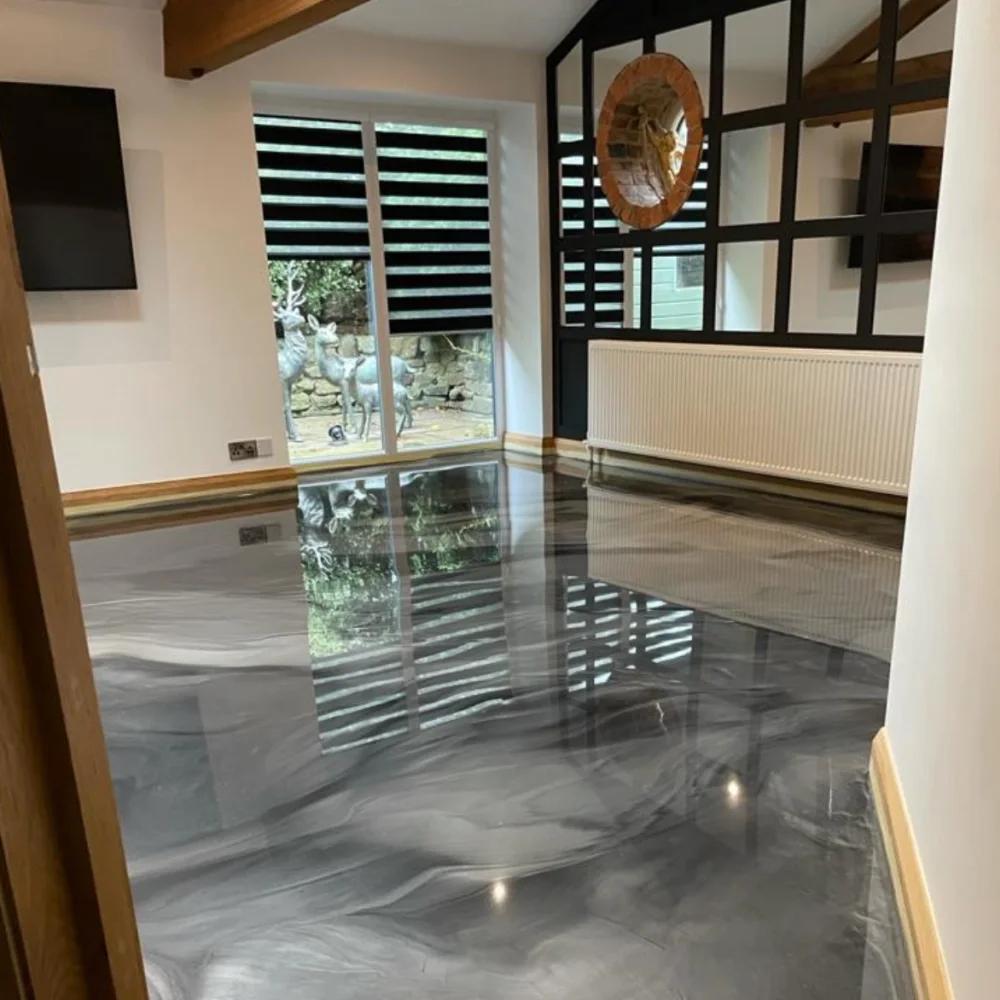
This article explores the fundamentals of resin flooring, including its composition, benefits, installation process, and maintenance requirements. We will also compare it with other flooring types, discuss popular design options, and provide practical guidance on selecting the right resin flooring for various applications. By understanding the versatility and advantages of resin flooring, designers, homeowners, and facility managers can make informed decisions for spaces that combine performance, safety, and style.
From understanding how resin flooring withstands heavy use to exploring its customizability in both commercial and residential settings, this guide covers everything needed to appreciate why resin flooring is transforming modern spaces in Dubai. The following sections will provide detailed insights into its practical applications, safety considerations, and long-term maintenance requirements.
Introduction to resin flooring and its primary applications
Resin flooring is a type of surface coating made by combining resin materials, typically epoxy or polyurethane, with hardeners and fillers to create a strong, durable floor. The mixture is poured onto a prepared substrate, spread evenly, and allowed to cure, resulting in a smooth, seamless surface. This type of flooring is highly resistant to wear, chemical spills, and heavy traffic, making it suitable for a wide range of environments.
Primary applications of resin flooring include:
- Industrial facilities such as warehouses and factories
- Commercial areas like offices, showrooms, and retail spaces
- Residential spaces, particularly kitchens, bathrooms, and living areas
- Sports and fitness facilities, including gyms and indoor courts
- Healthcare facilities where hygiene and cleanliness are critical
The adaptability of resin flooring allows it to meet both functional and aesthetic requirements, offering options for gloss, matte, or anti-slip finishes, as well as custom colors and patterns to match interior designs. For high-performance fitness areas, combining resin flooring with specialized gym flooring abu dhabi materials ensures safety and durability while maintaining a polished, modern look.
Comparing resin flooring with other types of flooring for durability and appearance
Resin flooring offers several advantages over traditional flooring materials such as tiles, concrete, or hardwood:
- Durability: Resin floors can withstand heavy foot traffic, mechanical loads, and abrasion far better than most traditional flooring options.
- Seamless surface: Unlike tile or parquet floors, resin creates a continuous surface without joints, reducing the risk of dirt accumulation and making cleaning easier.
- Chemical resistance: Epoxy and polyurethane resin types are highly resistant to oils, solvents, and cleaning agents, making them suitable for kitchens, laboratories, and industrial areas.
- Customizability: Resin flooring can be mixed with pigments, decorative aggregates, or metallic effects to achieve unique designs that cannot be replicated with conventional materials.
- Maintenance: Regular sweeping and mopping with neutral cleaners are generally sufficient; no sanding or refinishing is needed.
These characteristics make resin flooring an appealing option for spaces where durability, hygiene, and aesthetic appeal are essential. Additionally, understanding wooden flooring cost in dubai and comparing it with resin options can help property owners decide on a material that balances budget, longevity, and performance.
Popular design options and finishes available for resin flooring
Resin flooring is highly versatile when it comes to design. It can be customized to suit various interior aesthetics, from minimalistic modern homes to industrial or commercial spaces. Popular design options include:
- Solid color finishes: Single-tone resin floors create a clean, modern look suitable for offices or contemporary homes.
- Metallic and decorative finishes: Adding metallic pigments or decorative flakes can produce a dynamic, reflective appearance that enhances visual interest.
- Textured finishes: Anti-slip textures or aggregates improve safety in high-traffic areas while providing subtle design variations.
- Patterned effects: Resin can be poured in layers or combined with decorative inlays to create geometric, marbled, or abstract patterns.
For commercial or public areas, pairing resin flooring with durable surfaces like terrazzo tile cost can create functional yet visually striking environments. The ability to customize both appearance and function makes resin flooring ideal for creative and high-performance interior designs.
How to choose the right resin flooring for high-traffic areas
Selecting the appropriate resin flooring involves assessing the specific requirements of the space:
- Traffic levels: Determine the anticipated foot traffic and choose a resin type that offers suitable wear resistance. Epoxy resin is ideal for industrial and commercial areas, while polyurethane is better for spaces requiring flexibility.
- Chemical exposure: Evaluate exposure to chemicals, oils, or cleaning agents. Epoxy and polyurethane provide strong chemical resistance, preventing damage and stains.
- Slip resistance: For gyms, hospitals, and wet areas, consider resin floors with anti-slip additives or textured surfaces.
- Aesthetic preferences: Choose colors, patterns, and finishes that align with the design vision while maintaining practical functionality.
- Substrate condition: Ensure the subfloor is clean, dry, and level before installation to avoid cracks or uneven surfaces.
By considering these factors, you can ensure that resin flooring provides both aesthetic appeal and long-term performance suitable for heavy-use environments.
Installation process and preparation steps for resin flooring
Proper installation is crucial for the durability and longevity of resin flooring. The process generally includes the following steps:
- Surface preparation: Clean and repair the substrate to ensure it is smooth and free of dust, oil, or debris. Concrete surfaces may require grinding or priming.
- Priming: Apply a primer layer to improve adhesion between the substrate and resin coating.
- Mixing resin: Combine the resin and hardener according to manufacturer instructions, ensuring a consistent mixture.
- Pouring and spreading: Pour the resin onto the prepared floor and spread it evenly using trowels or rollers.
- Curing: Allow the resin to cure for the recommended period, avoiding foot traffic during this time.
- Finishing: Apply topcoats, anti-slip treatments, or decorative elements as needed to achieve the desired finish.
Working with experienced installers ensures that the resin flooring achieves a flawless, durable surface suitable for both commercial and residential applications.
Maintenance and cleaning tips for keeping resin floors pristine
Maintaining resin floors is relatively simple but requires attention to preserve their appearance:
- Sweep or vacuum regularly to remove dirt and dust.
- Mop with neutral detergents to avoid surface damage.
- Clean spills immediately to prevent staining, particularly with dark or acidic liquids.
- Periodically inspect for scratches or wear and apply a protective topcoat if necessary.
- Avoid dragging heavy furniture directly across the floor to prevent scratches.
Routine maintenance ensures that resin flooring maintains its aesthetic appeal and functionality for years, making it a low-effort, high-performance solution.
Safety considerations and slip-resistant options for resin flooring
Resin flooring can be customized to meet safety requirements for various applications:
- Anti-slip additives: Incorporating sand, quartz, or special aggregates provides slip resistance in wet or high-traffic areas.
- Textured finishes: Matte or textured coatings reduce slip risks while adding visual depth to the floor.
- Chemical-resistant surfaces: Protect against spills that could compromise safety, particularly in industrial or laboratory settings.
For fitness and commercial spaces, using resin flooring alongside appropriate gym equipment and safety measures creates an environment that is both functional and secure.
Evaluating cost-effectiveness of resin flooring compared to other materials
While resin flooring may have a higher initial installation cost compared to traditional tiles or wood, its long-term benefits often outweigh the upfront investment:
- Longevity: Resin floors last longer and require minimal maintenance.
- Durability: They resist wear, chemical damage, and heavy traffic better than many alternative materials.
- Design flexibility: Customizable finishes reduce the need for frequent renovations or replacements.
- Low maintenance costs: Routine cleaning is simple and cost-effective.
Considering wooden flooring cost in dubai or terrazzo tile cost alongside resin options can help property owners select a flooring solution that balances performance, aesthetics, and practical cost efficiency over time.
Conclusion
Resin flooring has emerged as a versatile and durable solution for modern spaces in Dubai, offering unmatched design flexibility, resilience, and low maintenance. Its seamless, customizable surface can be tailored to both aesthetic and functional requirements, making it suitable for residential, commercial, and industrial applications. From high-traffic gyms and office spaces to elegant modern homes, resin flooring provides a practical yet visually striking choice that enhances the usability and appeal of any space.
By understanding the installation process, maintenance practices, and design possibilities, property owners and designers can maximize the benefits of resin flooring. Its long lifespan, safety features, and customizable aesthetics make resin flooring a sustainable, high-performance option that transforms interiors into sophisticated and functional environments.
FAQs
What is resin flooring and how is it applied?
Resin flooring is made by mixing resin materials, such as epoxy or polyurethane, with hardeners and fillers. The mixture is poured onto a prepared subfloor, spread evenly, and allowed to cure to form a seamless, durable surface.
How durable is resin flooring for commercial and residential use?
Resin flooring is highly durable, resistant to heavy traffic, abrasion, and chemical exposure, making it suitable for both residential homes and commercial spaces.
Can resin flooring be used in gyms or sports facilities?
Yes, resin flooring can be customized with anti-slip textures and coatings, making it ideal for gyms, fitness centers, and sports areas where safety is essential.
How do you maintain and clean resin floors?
Regular sweeping and mopping with neutral cleaners, prompt spill removal, and occasional inspection for scratches or wear are sufficient to keep resin floors in excellent condition.
What are the benefits of resin flooring over traditional tiles?
Resin flooring offers a seamless surface, superior durability, chemical resistance, and extensive design options compared to conventional tiles.
How customizable is resin flooring in terms of color and texture?
Resin floors can be customized with solid colors, metallic effects, decorative aggregates, and textured finishes to match any interior design requirement.
What factors influence the cost of resin flooring?
Installation complexity, resin type (epoxy or polyurethane), decorative elements, and area size are the primary factors affecting the cost.
Where can resin flooring be effectively installed?
It is suitable for residential, commercial, and industrial spaces, including kitchens, offices, warehouses, gyms, and healthcare facilities.
Why is gym flooring abu dhabi often combined with resin flooring?
Combining resin flooring with specialized gym surfaces enhances safety, durability, and comfort in high-traffic fitness environments.
How does wooden flooring cost in dubai compare to resin flooring?
While wood may have lower initial costs, resin flooring offers longer-lasting durability, low maintenance, and better performance in high-traffic or moisture-prone areas.
Can terrazzo tile cost influence the choice between resin and other flooring?
Yes, comparing costs and benefits with alternative materials like terrazzo helps determine the most suitable flooring option for both aesthetics and long-term durability.