
Epoxy flooring has become an increasingly popular choice for both residential and commercial spaces in Dubai. Its rise in popularity can be attributed to its durability, versatility, and aesthetic appeal. Homeowners, business owners, and contractors often seek flooring solutions that are not only long-lasting but also visually appealing and easy to maintain. Epoxy floors meet these requirements, providing a seamless, glossy surface that enhances any interior space while resisting wear and tear.
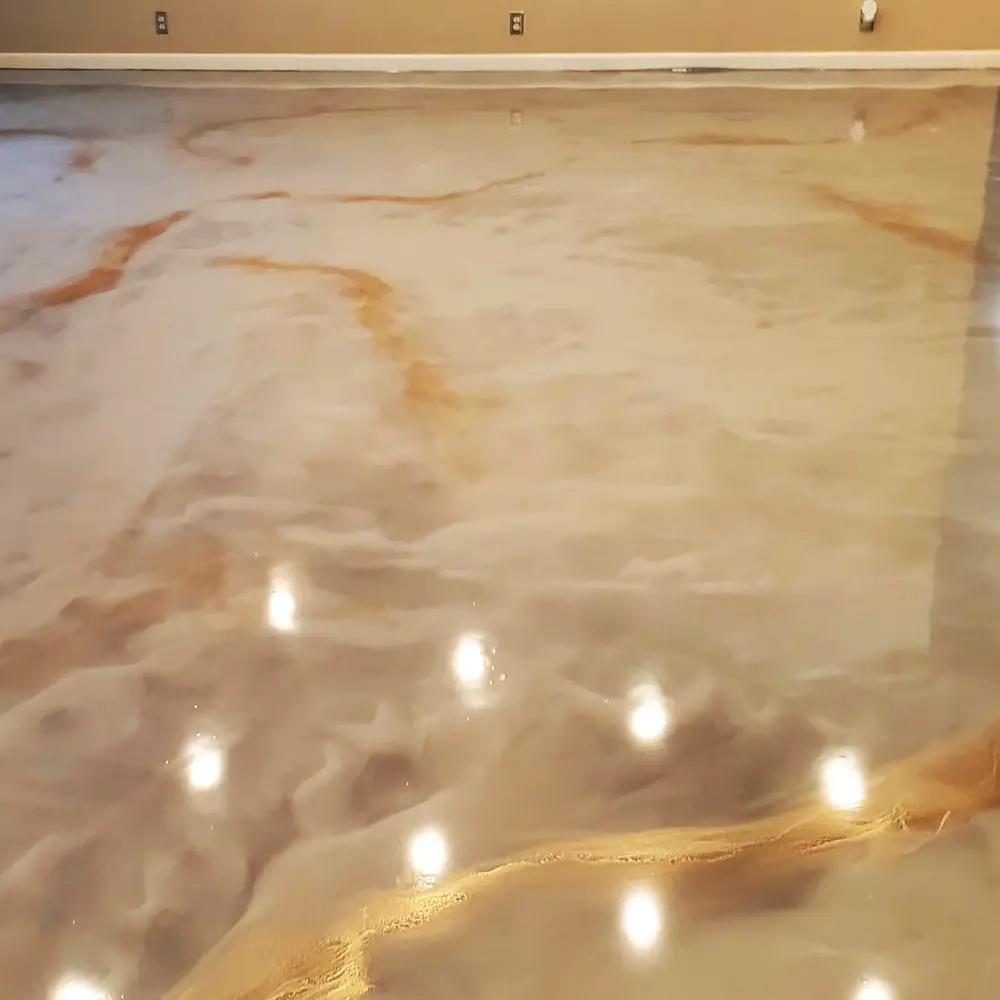
In Dubai, where climate conditions and heavy foot traffic pose unique challenges, selecting the right flooring material is essential. Epoxy flooring offers a robust solution that can withstand these factors, making it ideal for garages, showrooms, warehouses, and even living spaces. Its chemical resistance and ease of cleaning make it a preferred option for commercial settings as well.
Understanding the different types of epoxy flooring, the installation process, and maintenance requirements is crucial for anyone considering this option. This guide provides an in-depth overview of everything you need to know about epoxy flooring in Dubai, from the materials used to practical tips for long-term durability.
What is epoxy flooring and how is it applied in Dubai homes
Epoxy flooring is a composite material consisting of resin and hardener that, when combined, form a rigid, plastic-like surface. This type of flooring is known for its smooth finish, high-gloss appearance, and exceptional durability. In Dubai homes, epoxy flooring is frequently installed in areas that require extra protection, such as garages, basements, and kitchen areas.
The application process begins with surface preparation, which involves cleaning, sanding, and sometimes priming the existing floor to ensure proper adhesion. Once the surface is ready, the epoxy mixture is applied in layers using rollers or trowels. Depending on the desired finish, additives like color pigments, metallic powders, or anti-slip aggregates can be included to enhance aesthetics and functionality.
One of the key advantages of epoxy flooring in residential settings is its ability to create a seamless surface. Unlike traditional tiles or wooden planks, there are no joints or gaps, which reduces the accumulation of dirt and makes cleaning easier. Additionally, the high-gloss finish reflects light, creating a brighter and more spacious appearance in rooms.
Key benefits of using epoxy flooring for residential and commercial spaces
Epoxy flooring offers a range of benefits that make it suitable for both residential and commercial spaces.
- Durability: Epoxy floors are resistant to scratches, stains, and impacts, making them ideal for high-traffic areas.
- Chemical Resistance: They withstand exposure to cleaning chemicals, oils, and other liquids, which is particularly beneficial in garages and industrial settings.
- Aesthetic Appeal: With various colors and finishes, epoxy flooring can complement modern interiors and enhance the overall look of a space.
- Low Maintenance: Cleaning is straightforward; a simple mop or vacuum is enough to keep the floor looking pristine.
- Slip Resistance: By incorporating anti-slip additives, epoxy flooring can provide a safe walking surface in wet areas.
For commercial establishments, these advantages are amplified. Warehouses, showrooms, and retail spaces benefit from a flooring solution that is both durable and visually appealing, reducing long-term maintenance costs and enhancing customer perception.
Different types of epoxy coatings and their durability in UAE climates
Epoxy flooring comes in several types, each suited for different applications and durability requirements:
- Self-Leveling Epoxy: This type provides a smooth, glossy finish ideal for residential interiors and showrooms. Its reflective surface can enhance lighting and aesthetics.
- Mortar Epoxy: Known for its strength and impact resistance, mortar epoxy is perfect for industrial and warehouse environments where heavy machinery is used.
- Chip Epoxy: Decorative flakes or chips are embedded into the surface to create unique patterns. This type is commonly used in garages and patios for added style and texture.
- Quartz-Filled Epoxy: Combines epoxy resin with quartz granules for extra durability and slip resistance, making it suitable for commercial kitchens or outdoor areas exposed to the sun.
In Dubai’s hot and arid climate, epoxy floors perform exceptionally well when installed correctly. The material is resistant to UV degradation, ensuring that colors remain vibrant over time. Proper surface preparation and the use of high-quality epoxy compounds are critical to prevent peeling or yellowing under harsh sunlight.
Step-by-step installation process for epoxy flooring in garages and living areas
Installing epoxy flooring requires careful attention to detail to achieve a durable and professional finish. Here is a step-by-step process:
- Surface Cleaning: Remove dust, grease, or debris from the existing floor.
- Surface Preparation: Sand or etch the concrete surface to ensure proper adhesion.
- Priming: Apply a primer coat to seal the surface and promote bonding.
- Mixing Epoxy: Combine the resin and hardener according to manufacturer instructions.
- Application: Spread the epoxy mixture using a roller or trowel, ensuring even coverage.
- Adding Decorative Elements: Incorporate color pigments, flakes, or quartz as desired.
- Curing: Allow the epoxy to cure for several hours to days, depending on the type used.
- Finishing: Apply a topcoat for extra protection, gloss, and UV resistance.
Following these steps carefully ensures a long-lasting floor that can withstand both residential and commercial demands.
Maintenance tips to extend the lifespan of epoxy flooring in Dubai
Maintaining epoxy flooring is relatively simple, but certain practices can extend its lifespan significantly:
- Regular Cleaning: Sweep or vacuum daily to prevent dust and debris from scratching the surface.
- Mopping: Use a mild detergent and warm water to clean spills and stains promptly.
- Avoid Harsh Chemicals: Avoid acidic or abrasive cleaners that can damage the epoxy surface.
- Protective Pads: Place felt pads under furniture legs to prevent scratches.
- Periodic Inspections: Check for any chips or cracks and repair them promptly to prevent further damage.
These maintenance steps are essential in Dubai, where sand and dust are prevalent, potentially affecting floor longevity if neglected.
Common mistakes to avoid during epoxy flooring application
Epoxy flooring installation requires precision, and several common mistakes can compromise its durability and appearance:
- Poor Surface Preparation: Failing to clean and etch the floor properly can cause the epoxy to peel.
- Incorrect Mixing Ratios: Inaccurate resin-to-hardener ratios can lead to incomplete curing.
- Ignoring Humidity Levels: High humidity during application can cause bubbling or clouding of the surface.
- Rushing the Curing Process: Removing protective measures before full curing may damage the floor.
- Overlooking Decorative Additives: Uneven distribution of flakes or pigments can result in inconsistent patterns.
Being mindful of these pitfalls ensures a high-quality finish that will last for years.
Comparing epoxy flooring with other options like tiles and vinyl in Dubai
When selecting flooring, it’s essential to compare epoxy with other popular options:
- Tiles: Ceramic or porcelain tiles offer design versatility but are prone to chipping and grout discoloration.
- Vinyl Flooring: Vinyl is softer and easier to install but can be less durable and prone to scratches over time.
- Engineered Wood: Offers a natural aesthetic but requires more maintenance and may be affected by moisture.
Epoxy flooring outperforms many alternatives in terms of durability, chemical resistance, and ease of cleaning. For instance, a vinyl flooring suppliers in uae might provide softer flooring options, but they lack the industrial-grade toughness and longevity of epoxy. Additionally, pairing epoxy with elements like engineered wood flooring dubai in mixed interior designs can provide a balance between aesthetics and functionality.
How environmental factors affect epoxy flooring performance in Dubai
Environmental factors play a crucial role in epoxy flooring performance:
- Heat and Sunlight: UV-stable epoxy formulations prevent yellowing under intense sunlight.
- Dust and Sand: Dubai’s sandy environment requires frequent cleaning to avoid surface abrasion.
- Moisture: Although epoxy is resistant to water, improper subfloor moisture can cause bubbling or delamination.
- Traffic Levels: High foot traffic areas may require additional layers or topcoats for enhanced durability.
Understanding these factors ensures the floor remains visually appealing and functional in both residential and commercial settings. Incorporating protective skirting like aluminium skirting supplier in uae can also enhance durability by shielding the edges from impact and dust accumulation.
Safety considerations and eco-friendly epoxy solutions
Safety and environmental impact are essential considerations for epoxy flooring:
- Anti-Slip Additives: To prevent slips, especially in wet areas, anti-slip aggregates can be integrated.
- Low-VOC Epoxy: Volatile organic compounds are reduced in eco-friendly epoxy formulations, improving indoor air quality.
- Fire Resistance: Certain epoxy products are designed to meet fire safety standards.
- Recyclable Materials: Some epoxy floors incorporate recycled components, reducing environmental impact.
For those interested in sustainable flooring solutions, exploring options like terrazzo floor tiles in combination with epoxy elements can provide both style and eco-conscious design.
Conclusion
Epoxy flooring in Dubai offers a versatile, durable, and aesthetically pleasing option for homeowners and business owners alike. Its ability to withstand heavy traffic, resist chemicals, and maintain a seamless, polished appearance makes it an excellent alternative to traditional flooring materials. By understanding the types of epoxy coatings, proper installation methods, and maintenance practices, anyone can enjoy long-lasting floors that enhance their interior spaces.
Additionally, considering environmental factors, incorporating safety measures, and choosing eco-friendly solutions ensures a sustainable and practical flooring investment. Whether used in garages, living areas, or commercial spaces, epoxy flooring remains a top choice for Dubai residents seeking durability, style, and ease of maintenance.
FAQs
What is epoxy flooring and why is it popular in Dubai?
Epoxy flooring is a combination of resin and hardener that forms a durable, glossy surface. It is popular in Dubai due to its resistance to heat, chemicals, and heavy traffic, making it suitable for both residential and commercial applications.
How long does epoxy flooring last in residential areas?
With proper installation and maintenance, epoxy flooring can last 10–20 years in residential settings, maintaining its appearance and durability.
Can epoxy flooring be installed over existing surfaces?
Yes, epoxy can be applied over concrete, tiles, or other smooth surfaces, provided they are properly cleaned and prepared.
What are the maintenance requirements for epoxy floors?
Maintenance includes regular sweeping, mopping with mild detergents, and prompt cleaning of spills. Protective pads under furniture and periodic inspections are recommended.
Are there eco-friendly epoxy flooring options available in Dubai?
Yes, low-VOC and recycled material epoxy formulations are available, reducing environmental impact and improving indoor air quality.
How does epoxy flooring compare to terrazzo or wood flooring?
Epoxy flooring offers superior durability, chemical resistance, and seamless finish compared to terrazzo or wood, though a combination of materials can enhance aesthetics.
Can epoxy flooring withstand heavy traffic in commercial spaces?
Yes, epoxy flooring, especially mortar or quartz-filled types, can handle heavy foot traffic, machinery, and daily wear in commercial environments.
Which suppliers provide complementary materials for finishing epoxy floors in Dubai?
For edge protection and added durability, aluminium skirting supplier in uae is commonly used. Decorative or complementary flooring options like terrazzo floor tiles or engineered wood flooring dubai can also enhance the interior design.
How can one ensure UV stability for epoxy floors under Dubai’s intense sun?
Using UV-stable topcoats and protective layers ensures that the epoxy flooring retains its color and gloss despite prolonged sun exposure.
Are there decorative options for residential epoxy floors?
Yes, flakes, metallic pigments, and quartz additives allow homeowners to create unique, stylish designs while maintaining functional durability.
Where can one find epoxy flooring solutions in Dubai?
Several local providers specialize in epoxy applications, including epoxy flooring dubai, offering residential and commercial services.
What precautions should be taken during installation to prevent peeling or bubbling?
Proper surface preparation, correct mixing ratios, humidity control, and allowing adequate curing time are essential to avoid issues during installation.
Is epoxy flooring suitable for outdoor areas in Dubai?
Yes, with UV-resistant formulations and additives for slip resistance, epoxy flooring can be used in patios, balconies, and garages, complementing materials like terrazzo floor tiles.
Can epoxy floors be combined with other flooring types for aesthetic effects?
Absolutely. For example, combining engineered wood flooring dubai with epoxy zones can create a stylish, functional interior.
Are epoxy floors easy to repair if damaged?
Minor scratches or chips can be repaired with touch-up kits or additional epoxy layers, while severe damage may require reapplication of the affected section.
How do I choose the right epoxy type for my space?
Consider traffic levels, exposure to chemicals or sunlight, and desired aesthetics. Self-leveling epoxy suits living areas, while mortar or quartz-filled epoxy is ideal for commercial or industrial spaces.