
Choosing the right flooring for your home or commercial space can significantly affect both aesthetics and functionality. Among the many options available today, epoxy flooring stands out for its durability, sleek appearance, and versatility. Whether you are renovating a garage, office, or industrial space, understanding epoxy flooring and its alternatives is essential for making an informed decision.
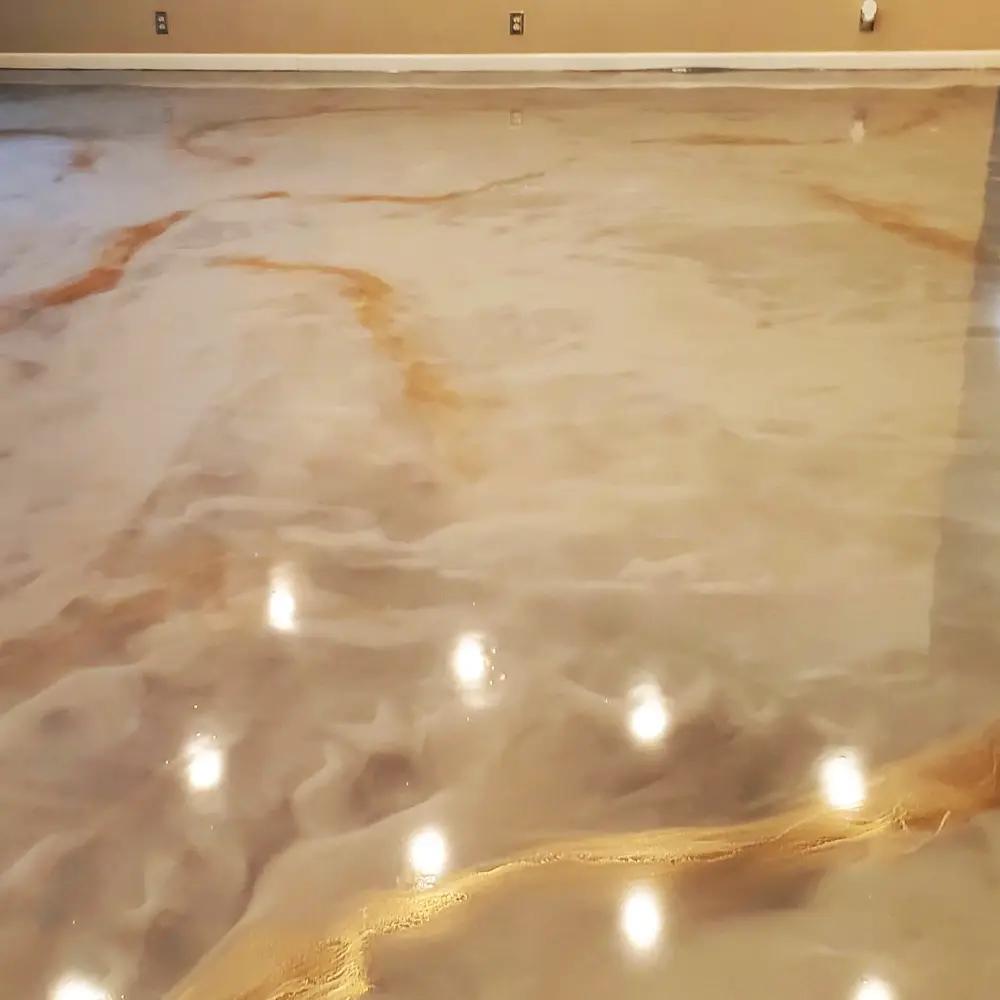
Epoxy flooring has gained popularity because it combines strength with style, providing a seamless surface that is resistant to wear and tear. It is often preferred in areas that require heavy-duty performance, such as warehouses, factories, and high-traffic commercial spaces. Beyond durability, epoxy floors are highly customizable, offering a wide range of colors, finishes, and patterns that can transform any space into a visually appealing environment.
In this comprehensive guide, we will explore the various aspects of epoxy flooring, compare it with other flooring types, and provide practical insights into installation, maintenance, and design possibilities. By the end of this article, you will have a clear understanding of how to select the best flooring solution for your specific needs.
Understanding the Benefits of Epoxy Flooring in Residential and Commercial Areas
Epoxy flooring provides numerous advantages that make it an ideal choice for both residential and commercial settings. One of its primary benefits is its durability. Epoxy is resistant to scratches, stains, and chemical spills, making it suitable for high-traffic areas and environments exposed to harsh substances. This makes it particularly useful in garages, kitchens, laboratories, and industrial facilities.
Another advantage is its low maintenance requirements. The seamless nature of epoxy flooring prevents dirt, dust, and liquids from penetrating the surface, simplifying cleaning routines. Routine maintenance usually involves simple sweeping and occasional mopping, eliminating the need for waxing or polishing that some other flooring materials require.
Epoxy floors also offer enhanced safety features. Certain formulations of epoxy can be made slip-resistant, reducing the risk of accidents in both homes and workplaces. Additionally, the reflective finish of epoxy flooring can improve lighting conditions, making spaces appear brighter and more inviting.
Finally, epoxy flooring is versatile in design. It can be customized with a variety of colors, metallic finishes, and embedded patterns, allowing it to complement modern, contemporary, or industrial interior designs. For spaces requiring both style and functionality, epoxy flooring presents a balanced solution.
Key Differences Between Epoxy and Other Flooring Materials
When selecting a flooring solution, it’s important to compare epoxy with alternative materials to understand its unique benefits. Here are some key differences:
- Concrete: While concrete is strong and durable, it is porous and prone to staining. Epoxy coatings protect concrete surfaces, adding resilience and a polished appearance.
- Tile: Tiles offer a wide range of designs but can crack under heavy impact and require grout maintenance. Epoxy provides a seamless, crack-resistant surface without grout lines.
- Vinyl: Vinyl is soft and cost-effective but can wear down over time, especially in high-traffic areas. Epoxy is much more durable and resistant to chemicals and abrasions.
- Wood: Natural wood provides warmth and aesthetic appeal but is susceptible to water damage and scratches. Epoxy can mimic various textures and patterns, offering a low-maintenance alternative with similar visual appeal.
Understanding these distinctions helps in determining whether epoxy is the right solution for your environment, particularly when long-term durability and maintenance are priorities.
Step-by-Step Installation Process of Epoxy Flooring
Installing epoxy flooring involves several critical steps to ensure a durable and attractive finish:
- Surface Preparation: The floor must be clean, dry, and free from cracks or contaminants. Any imperfections should be repaired before application.
- Priming: A primer layer is applied to enhance adhesion between the floor and epoxy.
- Mixing Epoxy: Epoxy comes in two parts — resin and hardener — that must be mixed according to manufacturer specifications.
- Application: The epoxy mixture is poured and spread evenly across the floor using rollers or squeegees.
- Optional Decorative Additions: Color chips, metallic powders, or patterns can be embedded at this stage.
- Curing: The floor must cure for several hours to days, depending on the formula, to achieve maximum hardness.
- Sealing (if necessary): A clear topcoat may be applied for extra protection and shine.
Proper installation ensures the longevity of the epoxy floor and prevents common issues such as bubbling or peeling.
Maintenance Tips for Long-Lasting Epoxy Floors
Maintaining epoxy flooring is relatively straightforward compared to other flooring materials. Here are some essential tips:
- Regular Cleaning: Sweep or vacuum frequently to remove dirt and debris.
- Spill Management: Wipe up spills immediately to prevent staining, even though epoxy is highly resistant to most liquids.
- Avoid Abrasives: Use soft mops and non-abrasive cleaners to prevent scratches.
- Protective Mats: Place mats under heavy equipment or furniture to minimize impact.
- Periodic Inspections: Check for cracks, peeling, or dull areas and address them promptly.
With minimal effort, epoxy floors can maintain their appearance and functionality for many years.
Exploring Different Types of epoxy flooring Options
Epoxy flooring comes in several types, each suited for specific needs:
- Self-Leveling Epoxy: Creates a smooth, uniform surface, ideal for modern interiors and commercial spaces.
- Mortar Epoxy: Offers superior strength and impact resistance, perfect for industrial environments.
- Chip-Filled Epoxy: Features decorative color chips for enhanced texture and visual appeal.
- Metallic Epoxy: Produces a reflective, shimmering effect for luxury residential or high-end commercial spaces.
- Anti-Static Epoxy: Suitable for electronic manufacturing areas to prevent static buildup.
Choosing the right type depends on the intended use, traffic load, and design preferences.
Comparing wooden vinyl flooring and Epoxy for Durability and Design
While both epoxy and wooden vinyl flooring offer attractive finishes, they serve different purposes:
- Durability: Epoxy outperforms vinyl in terms of scratch resistance, chemical resistance, and lifespan.
- Design Flexibility: Vinyl offers a wide range of wood and stone patterns, while epoxy allows customization with colors, chips, and metallic effects.
- Maintenance: Vinyl is easy to clean but can peel or scratch over time, whereas epoxy requires minimal maintenance and remains intact under heavy use.
- Applications: Vinyl works well in residential settings, but epoxy is preferable for garages, commercial, and industrial areas.
Understanding these differences helps homeowners and business owners make informed flooring decisions.
How to Incorporate reclaimed wood dubai for a Unique Look with Epoxy
For those seeking a mix of rustic charm and modern durability, combining epoxy with reclaimed wood can be an excellent choice. Reclaimed wood provides warmth, texture, and character that contrasts beautifully with the sleek, seamless surface of epoxy. Design approaches include:
- Epoxy Borders: Frame reclaimed wood planks with epoxy to create a polished edge.
- Embedded Patterns: Embed small pieces of reclaimed wood into clear epoxy layers for a unique design.
- Feature Areas: Use reclaimed wood in select areas, such as around a fireplace or reception desk, and epoxy elsewhere for a balanced aesthetic.
This combination allows for a distinctive flooring solution that blends tradition with contemporary style.
Design Ideas Using terrazzo epoxy flooring
Terrazzo epoxy flooring introduces a creative and artistic element into any space. Popular design ideas include:
- Custom Color Blends: Combine multiple colors to create intricate patterns or geometric designs.
- Decorative Chips: Integrate marble, glass, or metal chips for a dynamic surface texture.
- Metallic Accents: Add metallic pigments for a shimmering, high-end finish.
- Themed Zones: Use different terrazzo epoxy finishes in specific rooms or areas to define spaces visually.
- Functional Art: Incorporate shapes, lines, or logos within the flooring for office lobbies, retail, or galleries.
Terrazzo epoxy flooring offers endless possibilities to make floors visually striking while maintaining durability and easy maintenance.
Conclusion
Epoxy flooring represents a versatile and long-lasting flooring solution suitable for various residential and commercial applications. Its combination of strength, low maintenance, and customizable design makes it an attractive choice for anyone looking to enhance both functionality and aesthetics. By comparing epoxy with alternatives such as vinyl and wood, considering installation processes, and exploring creative design ideas, you can make an informed choice that suits your space perfectly.
Whether you opt for self-leveling, chip-filled, or metallic epoxy, incorporating complementary elements like reclaimed wood or terrazzo epoxy can elevate the overall design. By following maintenance tips and understanding the benefits, your epoxy flooring can remain beautiful and durable for years to come.
FAQs
- What is epoxy flooring and how is it used?
Epoxy flooring is a durable surface coating made from a mixture of resin and hardener. It is used in both residential and commercial spaces for garages, kitchens, industrial floors, and high-traffic areas due to its strength, seamless finish, and resistance to chemicals and abrasions. - How long does epoxy flooring typically last?
With proper installation and maintenance, epoxy flooring can last 10 to 20 years or more. Its durability depends on factors such as surface preparation, traffic intensity, and the type of epoxy used. - Can epoxy flooring be installed over existing surfaces?
Yes, epoxy can be applied over concrete or other suitable substrates. However, the surface must be clean, dry, and free of cracks or imperfections to ensure proper adhesion and long-term performance. - What are the pros and cons of epoxy vs vinyl flooring?
Epoxy flooring offers superior durability, chemical resistance, and low maintenance, while vinyl is easier to install and offers a wider range of patterns. However, vinyl is prone to scratches and wear over time, whereas epoxy maintains its integrity in heavy-use areas. - How do I maintain and clean epoxy floors?
Routine cleaning involves sweeping or vacuuming to remove debris and mopping with mild cleaners. Avoid abrasive tools or harsh chemicals, and address spills immediately. Periodic inspections help prevent small issues from becoming larger problems. - Are there eco-friendly epoxy flooring options?
Yes, some epoxy formulations are low in volatile organic compounds (VOCs) and environmentally friendly. These options provide the same durability and aesthetic appeal while minimizing environmental impact.
7. Can epoxy flooring be customized with colors and patterns?
Absolutely. Epoxy can be customized with various colors, decorative chips, metallic pigments, and patterns. This flexibility allows homeowners and designers to create unique and personalized flooring solutions.