
Microcement flooring has emerged as a versatile and stylish option for modern interiors. Its seamless finish, adaptability to various surfaces, and contemporary appeal make it a favorite among homeowners and designers alike. Unlike traditional flooring options, microcement can be applied over existing floors, reducing renovation time and cost while delivering a smooth, continuous surface. Understanding its properties, installation process, and maintenance requirements is essential to make an informed decision when considering this innovative flooring solution.
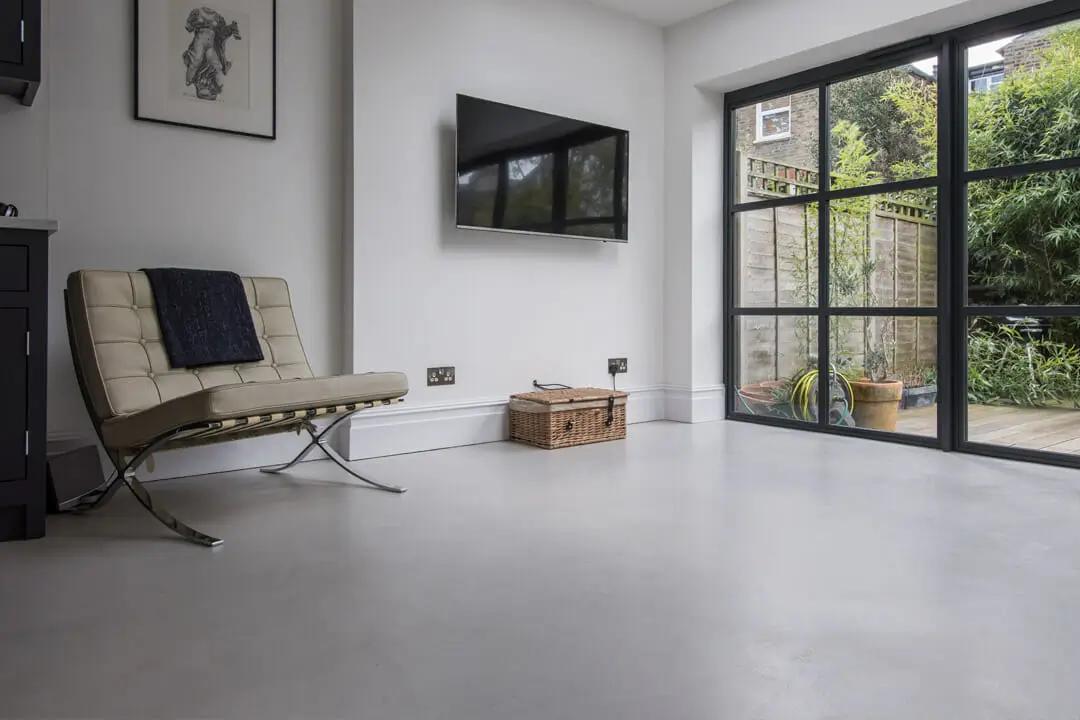
In this comprehensive guide, we will explore the benefits of microcement flooring, compare it to other popular flooring materials, provide insights into installation techniques, and discuss maintenance strategies. Whether you are renovating a living room, kitchen, or commercial space, this article will help you understand why microcement flooring could be the perfect choice for your project.
By the end of this article, you will also gain insights into combining microcement with other flooring options like vinyl flooring in dubai, wpc flooring, and terrazzo to achieve unique aesthetic effects while maintaining durability and functionality.
Understanding the Composition and Benefits of Microcement Flooring
Microcement is a polymer-modified cement-based coating applied in thin layers to create a seamless and highly durable floor. Its composition allows it to adhere to a wide variety of surfaces, including concrete, tiles, and wood. The primary components include cement, fine aggregates, polymers, and pigments, which together create a versatile and customizable finish.
Key benefits of microcement flooring include:
- Seamless Finish: Microcement provides a smooth, joint-free surface, which reduces the risk of cracks and makes cleaning easier.
- Versatility: Available in a wide range of colors and textures, it can be tailored to fit modern, industrial, or minimalist design themes.
- Durability: Resistant to scratches, stains, and heavy foot traffic, microcement floors are suitable for both residential and commercial environments.
- Thin Layer Application: Unlike traditional concrete or tile flooring, microcement requires minimal thickness, making it ideal for renovations without changing door heights or room levels.
- Water Resistance: When properly sealed, microcement is water-resistant, making it suitable for kitchens, bathrooms, and even outdoor areas.
Overall, microcement flooring provides a combination of aesthetics and performance, making it a highly desirable option for modern interiors.
Comparing Microcement Flooring with Traditional Concrete and Tile Options
When choosing flooring, understanding how microcement compares to conventional options such as concrete and tiles is crucial.
Comparison points:
- Appearance: Traditional concrete floors can appear cold and industrial, while tiles often create visible grout lines. Microcement offers a smooth, continuous surface that looks elegant and modern.
- Installation Flexibility: Tiles require precise leveling and cutting, whereas microcement can be applied directly over existing surfaces, reducing labor and time.
- Maintenance: Concrete requires sealing and can be prone to cracks, while tiles may require grout cleaning. Microcement’s seamless nature simplifies maintenance and reduces potential damage points.
- Customization: Tiles come in fixed sizes and patterns. Microcement can be customized with pigments and textures to achieve unique finishes.
- Durability: While concrete and tiles are durable, microcement is equally resistant to scratches and impacts when installed and sealed correctly.
For homeowners looking for a combination of elegance and practicality, microcement flooring provides a compelling alternative to traditional flooring options.
Key Installation Techniques for Long-Lasting Microcement Floors
Proper installation is essential for the longevity of microcement flooring. Here’s an overview of the typical process:
- Surface Preparation: The existing floor must be clean, dry, and free of cracks or debris. Minor imperfections should be repaired.
- Priming: A primer layer ensures adhesion between the substrate and the microcement.
- Base Layer Application: The first layer of microcement is applied evenly, typically 2–3 mm thick, and allowed to dry.
- Intermediate Layers: Multiple thin layers are applied to build strength and create the desired texture.
- Sanding Between Layers: Sanding ensures smoothness and removes any imperfections.
- Sealing: A protective sealant is applied to enhance durability, water resistance, and stain protection.
- Curing: The floor must be left to cure fully before heavy use, typically 48–72 hours, depending on the environmental conditions.
These steps are critical to achieving a smooth, long-lasting finish that can withstand heavy use while retaining its aesthetic appeal.
Maintenance Tips for Keeping Microcement Flooring Durable and Attractive
While microcement is highly durable, proper maintenance ensures its longevity. Follow these practical tips:
- Regular Cleaning: Use a soft broom or vacuum to remove dust and dirt. Mop with a neutral pH cleaner to avoid damaging the surface.
- Avoid Harsh Chemicals: Acidic or abrasive cleaners can deteriorate the sealant and dull the finish.
- Prevent Scratches: Place protective pads under furniture and avoid dragging heavy objects across the floor.
- Re-sealing: Depending on usage, the floor may need to be re-sealed every few years to maintain water resistance and appearance.
- Immediate Spill Response: Clean spills promptly to prevent staining, especially from liquids such as wine or oil.
Adhering to these maintenance practices ensures your microcement floor remains both functional and visually appealing for years.
How Microcement Flooring Enhances Modern Interior Design
Microcement flooring offers a unique aesthetic that complements contemporary interior design. Its seamless nature allows designers to create open, uninterrupted spaces, enhancing the perception of room size and flow. The ability to apply microcement on walls, countertops, and even furniture creates cohesive interior themes.
Design advantages include:
- Minimalist Appeal: Its smooth, joint-free surface aligns with minimalist design trends.
- Customizable Colors and Textures: Pigments and finishing techniques allow subtle or bold design statements.
- Integration with Other Materials: Microcement can be combined with wood, tiles, or stone for accent features, providing a contrast in texture and tone.
- Versatility Across Spaces: Suitable for kitchens, bathrooms, living rooms, and commercial spaces, microcement adapts to multiple design requirements.
Using microcement flooring creatively can elevate interior aesthetics while maintaining functional benefits.
Common Issues and Solutions in Microcement Flooring Applications
Despite its benefits, microcement flooring can encounter issues if not applied or maintained correctly. Awareness of common problems helps in prevention and timely correction.
Potential issues include:
- Cracking: Usually caused by substrate movement. Solution: Ensure proper surface preparation and use flexible additives.
- Staining: Can occur if sealant is inadequate. Solution: Apply high-quality sealants and clean spills promptly.
- Uneven Surface: Improper application may lead to inconsistencies. Solution: Apply multiple thin layers and sand between coats.
- Discoloration: Exposure to sunlight or moisture may alter pigment over time. Solution: Use UV-resistant sealants and maintain consistent humidity.
Addressing these issues proactively ensures that microcement floors retain their aesthetic and structural integrity.
Environmental Impact of Microcement Flooring Materials
Sustainability is an increasing concern in interior design, and microcement flooring offers environmentally friendly attributes:
- Reduced Material Use: Applied in thin layers, microcement requires less raw material than traditional concrete or tiles.
- Longevity: Durable floors reduce the frequency of replacement, minimizing waste.
- Low VOC Products: Many microcement systems use low volatile organic compounds, improving indoor air quality.
- Compatibility with Existing Floors: Applying microcement over existing floors reduces demolition waste and overall environmental impact.
For eco-conscious homeowners, microcement represents a responsible choice that combines sustainability with modern aesthetics.
Combining Microcement with Other Flooring Styles for Unique Aesthetics
One of the advantages of microcement is its ability to integrate with other flooring types, offering creative design possibilities:
- With vinyl flooring in dubai: Creates zones within open-plan spaces, such as separating kitchen areas from living spaces.
- With wpc flooring: Adds warmth and texture while maintaining a modern, minimalist feel.
- With terrazzo: Combines patterns and textures for visually striking areas like entryways or commercial lobbies.
By strategically combining materials, designers can create functional, visually appealing spaces that highlight microcement’s versatility.
Conclusion
Microcement flooring stands out as a highly versatile and durable option for modern interiors. Its seamless finish, design flexibility, and compatibility with existing surfaces make it an ideal choice for homeowners and commercial spaces seeking both beauty and functionality. Understanding the composition, installation techniques, maintenance, and potential challenges ensures that microcement floors achieve optimal performance and longevity.
When combined with complementary flooring options such as vinyl flooring in dubai, wpc flooring, or terrazzo, microcement flooring can elevate interiors with striking visual effects and practical benefits. Proper installation and care are key to maximizing the potential of this innovative flooring material.
FAQs
- What is microcement flooring and how is it applied?
Microcement flooring is a thin, cement-based coating that can be applied over various surfaces, including concrete, tiles, and wood. It is applied in multiple thin layers, sanded between coats, and sealed to create a smooth, durable finish. - How durable is microcement flooring compared to other materials?
Microcement is highly durable, resistant to scratches, stains, and heavy foot traffic. When installed and sealed correctly, it can last for many years with minimal maintenance, comparable to traditional concrete or tile flooring. - Can microcement flooring be installed over existing floors?
Yes, one of microcement’s advantages is its ability to be applied over existing surfaces such as tiles or concrete, which reduces renovation time and avoids the need for demolition. - What are the maintenance requirements for microcement floors?
Routine maintenance includes sweeping or vacuuming, mopping with a neutral pH cleaner, avoiding harsh chemicals, and re-sealing periodically to maintain water resistance and appearance. - Are there eco-friendly options for microcement flooring?
Many microcement products use low VOC formulations, require minimal material, and can be applied over existing floors, reducing waste and environmental impact. - How does microcement compare visually to traditional concrete?
Microcement offers a smooth, seamless surface that appears more refined and modern than traditional concrete, which can look rough or industrial. Pigments and textures provide additional customization. - Can microcement be used in bathrooms and kitchens?
Yes, microcement is water-resistant when properly sealed, making it suitable for wet areas such as bathrooms, kitchens, and even shower walls. - How can microcement be combined with other flooring types?
Microcement can be paired with materials like vinyl flooring in dubai, wpc flooring, or terrazzo to create visual zones, accent patterns, or unique textures within a space. - What are common mistakes to avoid when installing microcement?
Common mistakes include applying layers too thickly, inadequate surface preparation, skipping sanding between layers, and using poor-quality sealants. Proper installation prevents cracks and uneven surfaces.
10. How long does microcement flooring take to cure?
Typically, microcement floors require 48–72 hours to cure fully, depending on temperature and humidity, before they can handle heavy use.