
Outdoor and recreational spaces require flooring that can withstand weather, heavy use, and changing temperatures while still providing safety and comfort. One flooring material that has gained significant attention in recent years is EPDM rubber flooring. Known for its durability and flexibility, EPDM flooring has become a common solution for playgrounds, sports areas, parks, and recreational facilities.
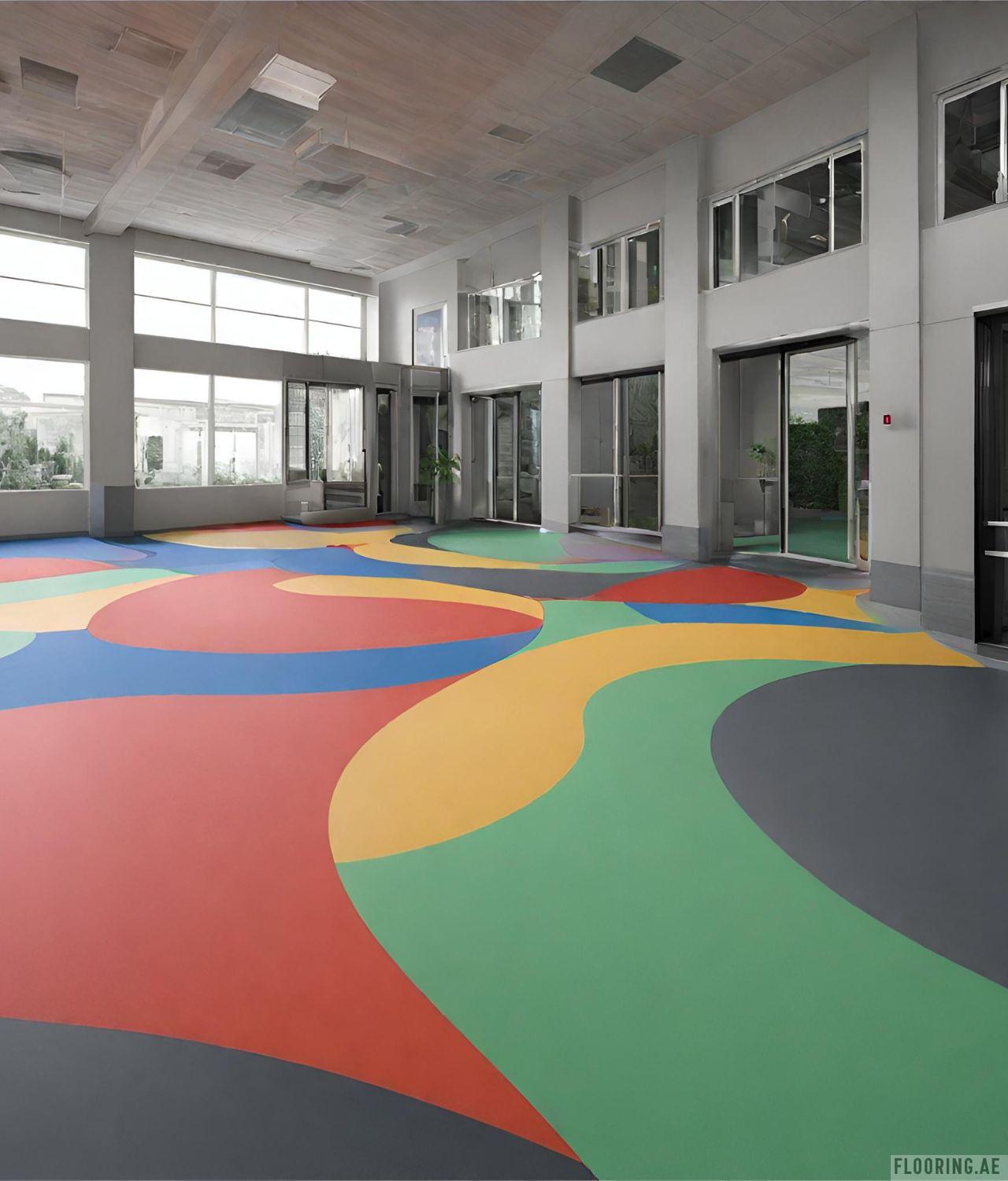
EPDM stands for Ethylene Propylene Diene Monomer, a synthetic rubber material designed to perform well in outdoor environments. Unlike traditional flooring surfaces that may crack, fade, or become slippery over time, EPDM maintains its structure and color even when exposed to harsh weather conditions. Because of these properties, architects and facility planners often select it for surfaces that require both safety and longevity.
Understanding how EPDM flooring works, what advantages it offers, and where it is most commonly used can help designers, property owners, and planners make informed flooring decisions. From playground safety surfaces to modern landscaping designs, EPDM has become an important material in outdoor construction and recreational design.
Introduction to EPDM rubber flooring and the science behind its durability and flexibility in outdoor environments
EPDM rubber flooring is manufactured from synthetic rubber compounds that are engineered to maintain flexibility and resistance under a wide range of environmental conditions. The material was originally developed for industrial applications but later became widely used in recreational surfaces due to its exceptional resilience.
The chemical structure of EPDM rubber gives it several advantages:
- High resistance to ultraviolet (UV) radiation
- Excellent elasticity and flexibility
- Strong resistance to water and moisture
- Stability under temperature fluctuations
Because of these qualities, EPDM flooring does not become brittle or crack when exposed to sunlight and extreme weather. The rubber granules used in EPDM surfaces are also designed to maintain color and structure for many years.
These properties make the material particularly useful for outdoor environments where durability and safety are essential.
How EPDM flooring systems are manufactured and why they are commonly used for playgrounds and sports surfaces
The manufacturing process of EPDM flooring involves blending rubber polymers with stabilizers, pigments, and curing agents. The resulting material is processed into small rubber granules that can later be combined with binders to create continuous flooring surfaces.
The installation process typically includes several layers:
- Base layer – often made from recycled rubber for shock absorption
- Binder application – polyurethane binders hold rubber particles together
- Top EPDM layer – colored rubber granules create the visible surface
This layered system creates a surface that is both flexible and durable.
Playgrounds and sports facilities often use EPDM flooring because it offers:
- Impact absorption that helps reduce injury risk
- Slip-resistant texture for safe movement
- Long-lasting color stability
- Flexible design options for shapes and patterns
For recreational facilities where safety standards are important, EPDM surfaces provide a reliable and consistent flooring solution.
Weather resistance and UV stability features that make EPDM suitable for extreme climate conditions
Outdoor flooring must withstand a variety of environmental stresses. Rain, sunlight, heat, and cold temperatures can damage many flooring materials over time. EPDM rubber flooring is specifically engineered to resist these elements.
UV resistance
One of the most important features of EPDM rubber is its resistance to ultraviolet radiation. Many materials fade or weaken under constant sunlight, but EPDM maintains its color and structural integrity.
Water resistance
EPDM does not absorb water easily, which prevents swelling, warping, or deterioration. This property makes it ideal for outdoor installations exposed to rain and humidity.
Temperature stability
The material remains flexible in both hot and cold climates. It does not crack during winter or soften excessively during high temperatures.
When evaluating different flooring surfaces for outdoor areas, planners sometimes compare materials such as decorative stone or terrazzo. For example, some may research options like poured terrazzo flooring cost when considering durable outdoor surfaces.
However, EPDM remains particularly effective in recreational environments where flexibility and shock absorption are priorities.
Comparing EPDM flooring with other resilient flooring systems used in recreational and safety-focused spaces
There are several types of resilient flooring used for sports and recreational facilities. Each has unique characteristics that make it suitable for specific applications.
EPDM rubber flooring
Key features include:
- High elasticity and shock absorption
- Long-term color stability
- Excellent weather resistance
- Slip-resistant surface texture
Polyurethane sports flooring
This type of surface is commonly used in athletic tracks and indoor sports courts. It offers good performance but may require more complex installation procedures.
Foam or rubber tiles
Modular rubber tiles are often used in smaller play areas. They are easy to install but may not provide the seamless appearance of poured EPDM systems.
Hard surfaces
Concrete or stone surfaces are durable but lack the cushioning needed for playgrounds or activity areas.
Some designers also evaluate decorative surfaces like premium wooden flooring when selecting interior flooring for gyms or activity rooms. However, wooden surfaces are typically better suited to indoor sports courts rather than outdoor play zones.
Key installation layers and surface preparation methods required for high-performance EPDM flooring systems
Proper installation is essential to ensure the performance and longevity of EPDM flooring. Even high-quality materials can fail if the underlying surface is not properly prepared.
Surface preparation
The base surface must be:
- Clean and free of dust or debris
- Structurally stable
- Properly leveled to prevent water pooling
Common base materials include concrete, asphalt, or compacted aggregate.
Installation layers
A typical EPDM flooring system includes:
- Primer layer to improve adhesion
- Shock-absorbing base layer made from recycled rubber
- Colored EPDM top layer that provides durability and visual design
The final surface is often smoothed and compacted to ensure uniform thickness and texture.
When planning different types of flooring installations, some projects also explore modern architectural materials. In certain design environments, contractors may consult a microcement supplier in uae for seamless interior surfaces that complement contemporary architecture.
Safety advantages such as shock absorption and slip resistance in playgrounds, gyms, and activity zones
Safety is one of the most important reasons EPDM flooring is used in recreational environments. The material provides protective qualities that reduce the risk of injuries.
Shock absorption
The rubber structure absorbs impact forces when someone falls. This helps reduce the severity of injuries, especially in playgrounds where children are active.
Slip resistance
The textured surface provides traction even when slightly wet. This reduces the likelihood of slips in outdoor environments.
Comfortable walking surface
The flexibility of EPDM flooring also reduces fatigue during prolonged standing or walking.
Because of these safety benefits, EPDM surfaces are often installed in:
- School playgrounds
- Public parks
- Fitness zones
- Outdoor sports areas
These environments benefit from flooring that supports both performance and safety.
Maintenance practices that help maintain color stability and structural integrity over time
Although EPDM flooring is durable, proper maintenance helps ensure it continues to perform well for many years.
Routine maintenance tasks
Regular maintenance typically includes:
- Sweeping debris from the surface
- Washing the flooring with mild detergents
- Inspecting for small cracks or damage
- Removing dirt buildup that could affect traction
Periodic inspections
Facility managers often inspect flooring surfaces to ensure that the rubber layers remain intact and securely bonded.
Compared with many traditional surfaces, EPDM flooring requires relatively low maintenance while maintaining its visual appearance and safety features.
How designers integrate EPDM surfaces into modern landscape and recreational facility planning
Modern landscape architecture increasingly focuses on combining safety, durability, and aesthetic design. EPDM flooring fits well within this approach because it can be customized in various colors and patterns.
Designers often incorporate EPDM surfaces into:
- Themed playground areas
- Recreational parks
- Outdoor fitness stations
- School activity zones
Because the material can be poured and shaped during installation, it allows designers to create curves, patterns, and color zones that define different play areas.
In some indoor environments where comfort and acoustic control are important, designers may choose alternatives such as epdm flooring dubai for outdoor activity areas while using other materials indoors for decorative or residential spaces.
The flexibility of EPDM makes it a valuable option for both safety and design innovation.
Conclusion
EPDM flooring has become an essential material in modern outdoor and recreational surface design. Its combination of durability, weather resistance, safety features, and design flexibility makes it suitable for playgrounds, sports facilities, and public spaces.
By understanding how EPDM flooring is manufactured, installed, and maintained, architects and property planners can make informed decisions when selecting surfaces for outdoor environments. Whether used in parks, schools, or recreational facilities, EPDM continues to provide a reliable and safe flooring solution for spaces that require both resilience and comfort.
FAQs
What is EPDM flooring and how is it different from traditional rubber flooring?
EPDM flooring is a synthetic rubber surface designed for outdoor durability and flexibility. Unlike some traditional rubber materials, EPDM offers superior resistance to UV radiation, temperature changes, and weather exposure.
Why is EPDM flooring commonly used for playground and sports surfaces?
EPDM flooring provides shock absorption, slip resistance, and durability, which are essential for playground safety and sports activities.
How durable is EPDM flooring in outdoor environments?
EPDM flooring is highly durable and can last many years when properly installed and maintained. Its resistance to sunlight, water, and temperature changes contributes to its longevity.
Does EPDM flooring require special maintenance or cleaning methods?
Routine cleaning such as sweeping and washing with mild detergents is usually sufficient. Periodic inspections help identify any minor issues before they become larger problems.
What safety benefits does EPDM flooring provide in recreational areas?
EPDM surfaces absorb impact forces and provide slip-resistant traction, helping reduce the risk of injuries during physical activities.
Can EPDM flooring be customized with colors and patterns?
Yes, EPDM flooring can be produced in various colors and installed in creative patterns or shapes, allowing designers to create visually engaging recreational environments.