
Terrazzo has become one of the most recognizable flooring materials in architecture and interior design. Known for its distinctive speckled patterns and long lifespan, terrazzo has been used in buildings for centuries and continues to be a preferred option in modern construction. In the United Arab Emirates, where architectural innovation and high-quality materials are essential, terrazzo tiles play an important role in both commercial and residential developments.
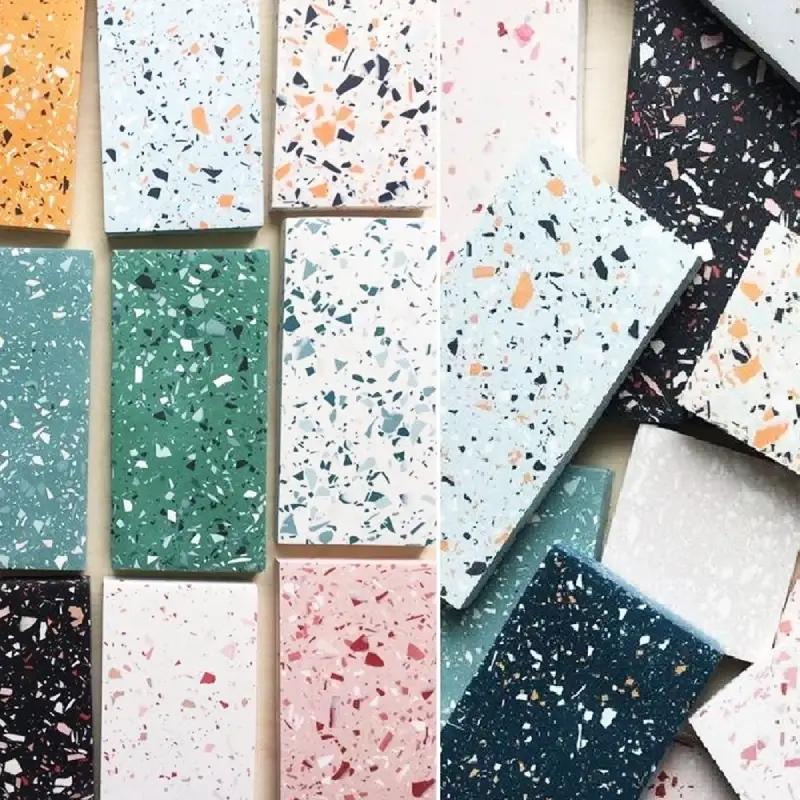
The availability of reliable suppliers is a key factor that influences the success of terrazzo flooring projects. Suppliers help architects, contractors, and developers access consistent materials, design options, and installation support. When construction projects rely on specialized flooring materials like terrazzo, working with knowledgeable suppliers ensures that design expectations and technical requirements are met.
Understanding how terrazzo tiles are manufactured, why they are widely used, and how suppliers support construction projects can help designers and property owners make more informed decisions. This guide explores the role of terrazzo tile suppliers in the UAE and explains the factors that influence terrazzo flooring performance, durability, and appearance.
Understanding the Role Terrazzo Tile Suppliers Play in Modern Architectural and Interior Design Projects
Terrazzo tile suppliers serve as a critical link between manufacturers and construction professionals. They provide access to flooring materials that combine decorative appeal with structural performance.
Suppliers often assist in several aspects of flooring selection and project planning:
- Providing samples for architects and designers
- Offering guidance on tile sizes, finishes, and patterns
- Ensuring consistent material quality across large projects
- Coordinating delivery schedules with construction timelines
Because terrazzo is often used in high-visibility areas such as hotel lobbies, shopping malls, and office buildings, selecting reliable materials is essential. Many construction projects depend on experienced terrazzo tiles suppliers in uae to ensure the flooring meets design expectations and building standards.
In large architectural projects, terrazzo suppliers also help ensure uniformity across multiple spaces, which is particularly important when a building requires hundreds or thousands of square meters of flooring.
How Terrazzo Materials Are Manufactured and Why They Remain Popular in Contemporary Flooring Design
Terrazzo is created by embedding decorative aggregates such as marble chips, quartz, granite, or glass into a binding material. The surface is then ground and polished to produce a smooth and visually striking finish.
Modern terrazzo tiles are typically produced through controlled manufacturing processes that ensure consistency and durability. These tiles may use cement-based or epoxy-based binders, depending on the application and performance requirements.
Several factors explain why terrazzo remains popular today:
- Unique visual patterns created by natural stone aggregates
- High durability suitable for public spaces
- Compatibility with contemporary architectural styles
- Ability to incorporate customized colors and designs
Manufacturers can also create terrazzo tiles in a wide range of sizes and shapes, allowing architects to experiment with creative layouts and geometric patterns.
Because terrazzo surfaces can complement different interior design styles, they are often used alongside other flooring materials. For example, some commercial spaces combine terrazzo walkways with surfaces such as dubai vinyl flooring in offices or private areas to achieve both durability and visual contrast.
Key Durability Characteristics That Make Terrazzo Tiles Suitable for High-Traffic Environments
One of the main reasons terrazzo flooring is used in public buildings is its exceptional durability. Properly installed terrazzo tiles can last for decades while maintaining their structural integrity and aesthetic appeal.
Several characteristics contribute to terrazzo’s durability:
High Compressive Strength
Terrazzo can support heavy loads without cracking, making it suitable for high-traffic areas.
Abrasion Resistance
The polished stone aggregates embedded in terrazzo surfaces resist wear from foot traffic.
Low Maintenance Requirements
Because terrazzo surfaces are dense and smooth, they do not easily trap dust or debris.
Resistance to Moisture
When properly sealed, terrazzo flooring can resist moisture penetration and staining.
These features make terrazzo ideal for spaces such as airports, hospitals, universities, and commercial complexes where flooring must endure constant use.
Design Versatility of Terrazzo Surfaces Including Patterns, Aggregates, and Color Combinations
One of the defining qualities of terrazzo flooring is its remarkable design versatility. Architects and designers can create customized surfaces by selecting different aggregates, colors, and patterns.
Common design possibilities include:
- Large marble chips for bold patterns
- Fine glass fragments for subtle textures
- Colored pigments that alter the base tone
- Geometric patterns embedded within the floor
These design options allow terrazzo floors to function as both a structural surface and a decorative feature.
White terrazzo designs have also gained popularity in modern architecture because they create bright and minimalist interiors. Some projects use surfaces similar to white terrazo to enhance lighting and visual openness in contemporary spaces.
Design flexibility makes terrazzo suitable for both traditional and modern architectural styles, allowing designers to integrate it into many types of buildings.
Important Factors Architects Consider When Selecting Terrazzo Tile Suppliers for Construction Projects
Selecting the right terrazzo tile supplier can significantly affect the outcome of a flooring project. Architects and project managers evaluate several factors before choosing a supplier.
Key considerations include:
Material Quality
Consistent quality ensures uniform color and texture across the flooring installation.
Product Variety
Suppliers offering diverse tile sizes, aggregates, and finishes allow designers greater creative freedom.
Technical Expertise
Experienced suppliers can provide guidance on installation techniques and performance requirements.
Delivery Reliability
Construction schedules often depend on timely material deliveries.
Compliance With Standards
Suppliers must ensure their products meet building codes and safety regulations.
Working with knowledgeable suppliers allows project teams to coordinate material selection with the building’s structural and aesthetic goals.
How Installation Techniques Influence the Long-Term Appearance and Structural Integrity of Terrazzo Flooring
Even the highest-quality terrazzo materials require proper installation to achieve long-lasting results. Installation techniques play a major role in determining the performance and appearance of terrazzo floors.
Typical installation steps include:
- Subfloor Preparation
The concrete base must be level, clean, and structurally sound. - Tile Placement
Tiles are arranged according to the design pattern. - Adhesive Application
Specialized adhesives secure the tiles to the subfloor. - Grinding and Polishing
After installation, the surface is polished to reveal the decorative aggregates. - Sealing
Protective sealants help prevent stains and enhance durability.
In modern buildings, terrazzo tiles may also be installed in combination with specialized floor systems such as elevated platforms used for cable management. In these cases, contractors sometimes coordinate terrazzo installations with structures influenced by considerations like raised floor price in uae, particularly in office environments where flexible infrastructure is required.
Proper installation ensures the terrazzo floor maintains its polished appearance and structural strength for many years.
Environmental Benefits and Sustainability Considerations Associated With Terrazzo Materials
Sustainability has become a key concern in modern construction, and terrazzo flooring offers several environmental advantages.
Many terrazzo materials incorporate recycled content, such as:
- Recycled glass
- Reclaimed stone fragments
- Industrial byproducts
Because terrazzo floors are extremely durable, they also reduce the need for frequent replacements. This long lifespan helps lower the overall environmental impact of building materials.
Additional sustainability benefits include:
- Low volatile organic compound (VOC) emissions in many modern formulations
- Compatibility with green building standards
- Ability to be refinished rather than replaced
These characteristics contribute to terrazzo’s continued popularity in environmentally conscious construction projects.
Maintenance and Cleaning Practices That Help Terrazzo Floors Retain Their Polished Appearance
Although terrazzo is highly durable, proper maintenance is essential to preserve its appearance. Routine cleaning practices can keep terrazzo floors looking polished and attractive for many years.
Recommended maintenance practices include:
Daily Cleaning
Dust mopping or sweeping removes dirt that could cause surface scratches.
Gentle Cleaning Solutions
Neutral cleaning products help prevent damage to the floor’s sealant.
Periodic Polishing
Professional polishing restores shine and enhances the appearance of the aggregates.
Avoiding Harsh Chemicals
Acidic cleaners can damage terrazzo surfaces and should be avoided.
With consistent care, terrazzo flooring can maintain its distinctive shine and decorative character even in high-traffic areas.
Conclusion
Terrazzo flooring remains one of the most durable and visually distinctive flooring materials used in modern architecture. Its combination of strength, design flexibility, and long lifespan makes it an ideal choice for many commercial and public buildings.
In the UAE, where construction projects often demand both performance and aesthetic excellence, reliable terrazzo tile suppliers play a critical role in ensuring successful installations. By providing high-quality materials, technical guidance, and consistent supply, suppliers support architects and builders in creating long-lasting and visually impressive flooring systems.
Understanding terrazzo’s manufacturing process, installation methods, and maintenance requirements helps property owners and designers fully appreciate the value of this timeless flooring material.
FAQs
What makes terrazzo tiles different from traditional stone flooring?
Terrazzo tiles combine decorative aggregates such as marble or glass with a binding material, creating a unique patterned surface that is polished for durability and visual appeal.
Why are terrazzo tiles widely used in commercial buildings and public spaces?
Their durability, resistance to heavy foot traffic, and ability to maintain their appearance for decades make terrazzo tiles ideal for large public buildings.
How long can terrazzo flooring typically last with proper maintenance?
With proper installation and maintenance, terrazzo flooring can last 40 years or more, making it one of the longest-lasting flooring materials.
What factors influence the visual appearance of terrazzo tiles?
The type of aggregates, size of stone chips, pigment color, and polishing process all influence the final appearance of terrazzo tiles.
Are terrazzo tiles suitable for both indoor and outdoor applications?
Yes. Terrazzo tiles can be used in both indoor and outdoor settings, provided that the appropriate materials and sealants are selected for the environment.